
Fingerhuthia africana
Fingerhuthia africana
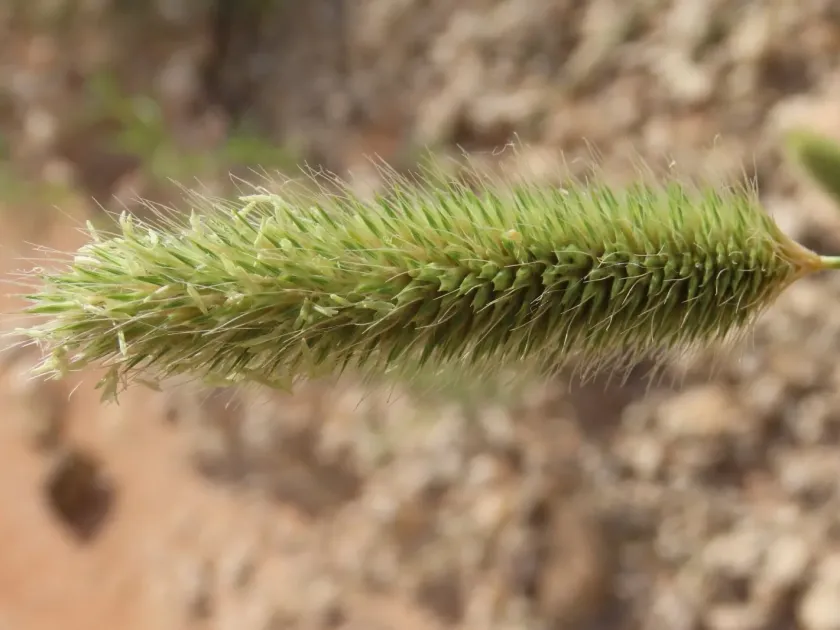
Description
Growing requirements
Fingerhuthia africana is a perennial grass species belonging to the Poaceae family. Native to the southern regions of Africa, this plant is well-known for its ability to thrive in harsh, arid environments where many other forage species fail to establish.
Botanically, it forms dense tufts or tussocks with narrow, rigid leaves. This growth form is an evolutionary adaptation that helps the plant reduce transpiration and survive long periods of drought, which are common in its natural African habitat.
Regarding cultivation requirements, this grass favors well-drained sandy or rocky soils. It is highly tolerant of low-fertility substrates, making it an excellent candidate for rehabilitating degraded pasture lands and controlling soil erosion in arid zones.
Climate adaptability is one of its primary strengths. It requires high solar radiation and thrives in temperatures that would be detrimental to temperate grasses. It is considered a resilient plant that maintains its vitality despite intense heat and water scarcity.
The main agricultural use is as livestock fodder. While its forage quality is considered moderate, its primary value lies in its persistence and biomass availability during dry seasons, serving as a reliable survival food for grazing animals.
Main diseases and pests
The primary threats to Fingerhuthia africana involve fungal diseases, particularly those related to moisture-loving pathogens if the soil remains waterlogged for extended periods. Proper site selection is crucial to prevent root zone stress.
Pests such as grasshoppers and locusts are the most frequent threats. Because these insects often consume the foliage, they can reduce the immediate forage capacity, though the plant's robust nature allows for relatively fast recovery after the insect pressure subsides.
Localized soil compaction from overgrazing can hinder the plant's growth and root development. To maintain a healthy stand, rotational grazing practices are recommended to avoid damaging the crown of the grass.
During unseasonably wet years, the crop might face increased pressure from rust fungi. Farmers should monitor the canopy density and ensure that the plants receive adequate airflow to mitigate the spread of fungal spores.
In conclusion, managing Fingerhuthia africana requires an understanding of its ecological niche. By avoiding overgrazing and preventing water accumulation, landowners can maintain a productive and hardy pasture for many years.