
Floating mannagrass
Glyceria natans
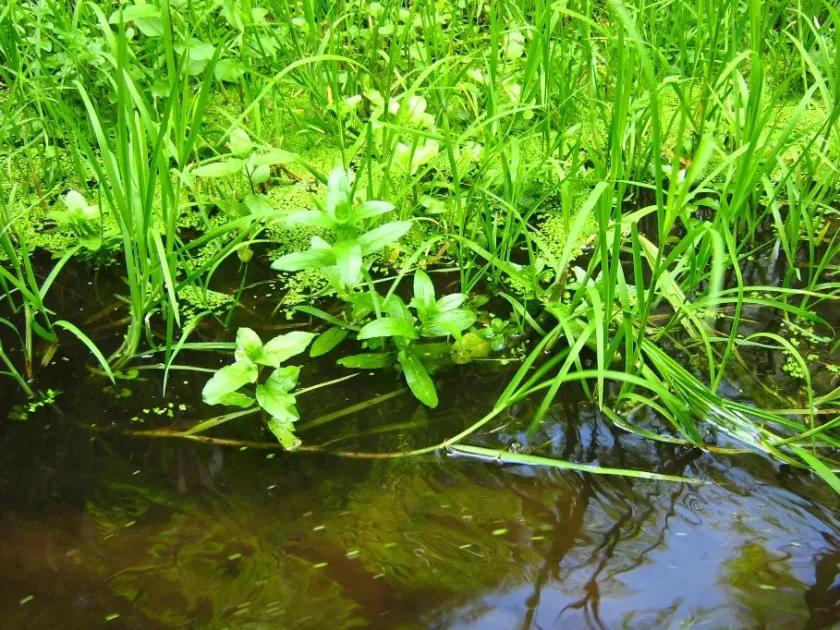
Description
Sowing dates
Sowing floating mannagrass is best performed in the spring when soil temperatures allow for active germination, or in late summer to allow plants to establish before the onset of winter. Seeds should be placed at a shallow depth of 1–2 centimeters to ensure stability while allowing access to sunlight.
Vegetative propagation is a highly effective alternative to sowing, involving the planting of rhizome segments directly into the wet substrate. This method is preferred in large-scale wetland restoration or pasture establishment due to the faster coverage it provides.
Preparation of the sowing site requires the removal of competitive weeds and established aquatic vegetation. Reducing initial competition is critical, as floating mannagrass seedlings are slow to develop and may be easily overwhelmed by aggressive native species.
A seeding rate of 10–12 kg per hectare is standard, adjusted based on the site's specific moisture levels. Gradual water level control is essential immediately after planting, as rapid flooding can cause the loss of germinating seeds.
Pre-treatment of seeds, such as cold stratification or brief soaking, can significantly improve germination uniformity. This step is particularly beneficial when trying to achieve a consistent stand density across varying water depths.
Growing requirements
Floating mannagrass belongs to the Poaceae family and is an obligate hydrophyte. It thrives in environments with high moisture, such as floodplains, marshy meadows, and shallow water margins with depths typically between 30 and 50 centimeters.
The plant performs best in silt-rich, fertile soils with a high organic matter content. It is relatively tolerant of various pH levels, though slightly acidic to neutral environments favor optimal nutrient uptake from the water and soil interface.
Water availability is the primary requirement for success. Long-term drought conditions lead to rapid biomass loss and reduced palatability for livestock, so consistent water level maintenance is vital for productive cultivation.
Regarding climate, the plant is remarkably hardy, showing high tolerance to cold temperatures. It can survive overwintering under ice, as the rhizomes remain viable until spring conditions initiate new growth.
Optimal light exposure is necessary to maximize photosynthetic output. While the species can tolerate partial shade, full sunlight is preferred to maintain a dense, vigorous stand that is resistant to weed encroachment.
Yield
The biomass yield of floating mannagrass is highly dependent on site fertility and nutrient availability in the water. With adequate nitrogen levels, the crop demonstrates impressive regenerative capabilities and high productivity.
Nutritional value is a key benefit, as the grass is rich in protein, sugars, and essential minerals. This makes it an excellent choice for pasture supplementation or for harvesting as high-quality green fodder for ruminants.
Average yields can range from 150 to 200 centners of green mass per hectare under ideal conditions. Multiple cuts per season are possible, provided that the plant is managed with appropriate recovery periods between harvests.
Grazing management significantly influences total yield. Controlled grazing patterns that allow for periodic rest periods stimulate tillering, leading to a thicker and more resilient grass stand throughout the growing season.
Seed production is another potential output for this crop. However, harvesting seeds requires specific timing during the maturity phase to avoid significant losses due to the plant's natural tendency toward seed shedding.
Main diseases and pests
While relatively robust, floating mannagrass is susceptible to fungal diseases such as leaf rust and various smuts, especially when stands become overly dense and air circulation is restricted.
Common cereal pests, including aphids and leafhoppers, may cause localized damage. Integrated pest management strategies, focusing on site diversity and avoiding excessive monoculture, are usually sufficient to keep pest populations in check.
Competition from aggressive aquatic species like Phragmites or Typha remains a major threat. A sudden shift in water levels can tip the balance in favor of these invaders, necessitating careful hydrological oversight.
Chemical runoff from adjacent intensive agricultural land can lead to toxicity, as the plant actively absorbs minerals and potentially harmful residues from the water, which may reduce its overall health and safety for livestock.
Improper hydrological management, such as total drainage or extreme flooding, represents the most significant threat to the survival of mannagrass beds, as the species is highly specialized for specific water depths.
Harvesting
Harvesting requires specialized equipment designed for low-bearing-capacity soils. Light machinery or floating harvesters are essential to prevent damage to the soil structure and the delicate root systems of the plants.
The optimal harvest time is during the late boot or early flowering stage. This timing captures the peak nutrient profile, ensuring that the harvested material provides high nutritional value for livestock or silage production.
Drying harvested material is a challenge due to its high moisture content. Effective ventilation and multiple turning cycles are required to prevent spoilage and ensure the storage quality of the hay or silage.
For seed collection, harvesting must occur when seed heads reach full maturity but before significant shattering occurs. Prompt processing is required to clean and dry the seeds to prevent fungal growth.
Storage of the harvested product should be in a cool, dry area. When managed correctly, floating mannagrass provides a reliable and nutritious reserve, particularly in regions where other forage options are limited by high water tables.