

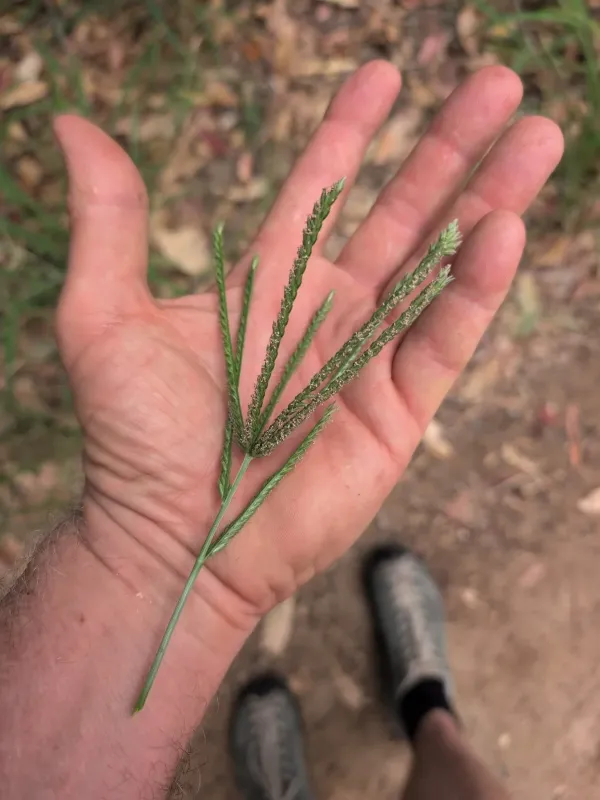
Description
Sowing dates
Indian goosegrass is a warm-season annual that thrives when soil temperatures consistently reach at least 18–20 degrees Celsius.
Optimal sowing occurs in late spring or early summer, ensuring that the seedlings are protected from late frosts which can severely stunt growth.
The seeds require minimal covering during planting, as they respond well to shallow placement and benefit from firm soil contact for rapid moisture absorption.
Uniform spacing is crucial during sowing to prevent uneven development and to ensure that each plant has access to adequate nutrients and water.
In optimal climatic conditions, the germination process is rapid, allowing the crop to establish ground cover quickly and effectively suppress competitors.
Growing requirements
Belonging to the Poaceae family, Eleusine indica is a robust plant characterized by its highly developed and deep fibrous root system.
It prefers full sun exposure, as it is an aggressive light-demander that suffers significantly in shaded environments, reducing its biomass production.
The crop is highly versatile regarding soil types, performing well in various environments from sandy loams to compacted heavy clay soils.
While it shows impressive drought tolerance, its maximum vegetative yield is achieved in locations with consistent rainfall or supplemented irrigation.
Soil fertility management is key, as nitrogen-rich environments significantly stimulate the tiller formation and overall vegetative bulk of the plant.
Yield
The yield potential of Indian goosegrass is significant, particularly when utilized as a supplemental forage source during the peak summer heat.
It produces a high amount of green matter that is rich in proteins, making it a viable option for grazing operations in tropical and subtropical regions.
Harvesting multiple times per season is possible due to the plant's excellent regenerative capacity after the initial cutting or grazing event.
Productivity is closely tied to the plant density, and optimized nitrogen fertilization can result in substantial increases in total dry matter weight.
Proper harvest scheduling ensures that the plant does not enter the seed-setting phase prematurely, maintaining the quality of the harvested forage.
Main diseases and pests
Indian goosegrass is susceptible to various fungal pathogens, especially under conditions of high humidity, poor drainage, or inadequate field ventilation.
Pest pressure can include various sucking insects that infest the leaves and stems, potentially reducing the plant's growth rate and forage palatability.
Weed management in the early stages of establishment is critical, as competing plants can easily overwhelm the slow-growing initial sprouts.
Effective crop rotation practices are recommended to disrupt the life cycles of soil-borne pathogens that might otherwise accumulate in the field.
Regular scouting and early intervention with targeted biological or chemical treatments can mitigate most of the common threats to this crop species.
Harvesting
Mechanical harvesting is the preferred method, typically performed before the plant reaches the advanced seed-head stage to keep the forage soft.
Clipping the plants at a specific height encourages faster regrowth and prevents damage to the crown, which is vital for long-term stand longevity.
The harvested material can be processed as fresh green feed, hay, or ensiled to ensure long-term storage and nutritional stability for livestock.
During the harvest, moisture management is essential to prevent mold growth if the material is being stored as baled hay for winter feeding.
Efficient post-harvest cleanup helps maintain field hygiene, preventing the buildup of plant residues that may harbor pests or pathogens until the next season.
Reference
Connections · Indian goosegrass
Most often together:
Marketplace