
Cinnagrostis viridiflavescens
Cinnagrostis viridiflavescens
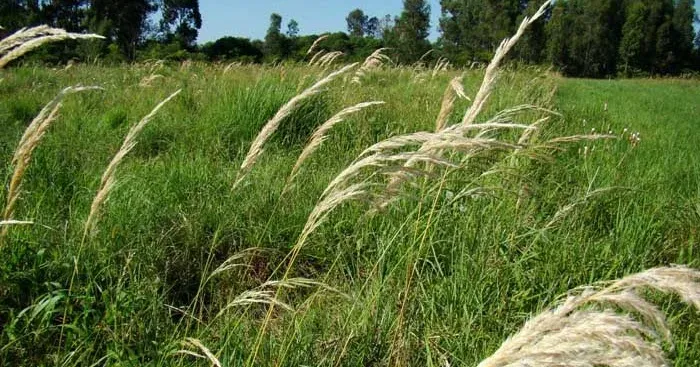
Description
Growing requirements
Cinnagrostis viridiflavescens belongs to the Poaceae family. This perennial grass is highly regarded in agricultural systems for its resilience and ability to thrive in diverse meadow environments, providing a stable foundation for forage production.
The crop prefers well-drained, fertile soils with a neutral pH level. However, it exhibits remarkable adaptability to varying soil structures, including loams and slightly acidic substrates, provided there is adequate moisture availability throughout the growing season.
Climate adaptability is one of the key strengths of this species. It shows high winter hardiness, allowing it to survive in regions with cold winters and short growing periods, while maintaining its vitality through summer heat waves.
Agronomic management requires regular fertilization with nitrogen-based compounds to promote tillering and biomass production. Proper soil preparation, including mechanical weeding before sowing, is essential to establish a uniform stand.
This grass is best grown in open, sunny areas. While it can withstand partial shading, optimal growth rates and nutrient density are achieved when the plant has direct access to sunlight throughout the majority of the day.
Yield
The primary economic use of Cinnagrostis viridiflavescens is as a high-quality forage crop for livestock, including cattle, sheep, and horses. It is highly valued for its palatability and nutritional content when harvested at the right time.
The highest yield of green matter is typically harvested at the early heading stage. Harvesting during this period ensures an optimal balance of protein, sugars, and fiber, making it an excellent candidate for hay production or silage.
Following harvest, the crop displays excellent regrowth potential. This ability to recover quickly from cutting or grazing makes it a highly productive choice for farmers aiming to maximize the number of cuts per season.
When used for grazing, the grass helps to maintain a dense sward. This thick ground cover is beneficial for soil health, as it prevents erosion and helps retain organic matter, contributing to long-term pasture sustainability.
The inclusion of this species in grass mixtures enhances the overall diversity and stability of forage fields, ensuring a consistent supply of nutrients for livestock even during less favorable climatic periods.
Main diseases and pests
Like many members of the Poaceae family, Cinnagrostis viridiflavescens is susceptible to various fungal pathogens. Rusts and leaf spots are common issues, especially in environments where humidity levels are consistently high or airflow is restricted.
Insect pests such as cereal flies can cause significant damage by affecting the main stems of the plants. Early intervention and regular monitoring are crucial to prevent widespread infestations that could reduce the overall yield potential.
Integrated pest management strategies are highly recommended for this crop. These include maintaining proper crop rotation and grazing schedules to disrupt the life cycles of typical agricultural pests and reduce their impact.
In cases of severe infestation, the use of biological control agents or targeted fungicides is permitted, provided that all safety guidelines and waiting periods are strictly observed to protect both livestock and the environment.
Effective weed control is also a critical component of crop health. Preventing competitive weeds from colonizing the field allows the grass to utilize available water and nutrients efficiently, ensuring a healthy and dense stand throughout the season.