
Coastal fescue
Festuca littoralis
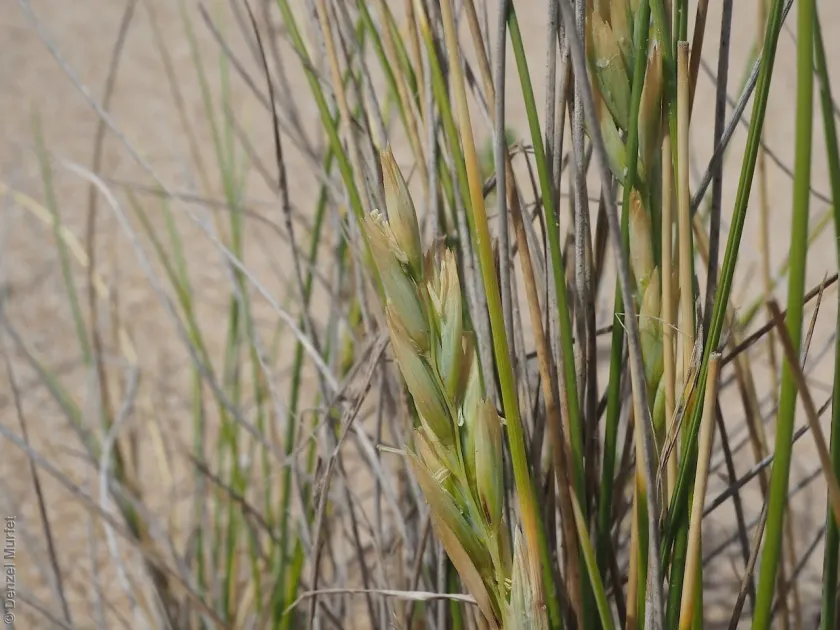
Description
Sowing dates
Coastal fescue is a perennial grass species that is ideally sown in early spring or late summer, capitalizing on periods of higher soil moisture which are essential for germination.
The seeds should be sown in rows to establish a uniform cover, maintaining a sowing rate that ensures the plant density is sufficient for effective soil stabilization.
Proper seed placement is critical in sandy soils; therefore, careful monitoring of planting depth is necessary to ensure the seeds have enough moisture to begin growth without being buried too deep.
For land reclamation projects, a broadcasting technique may be used, followed by rolling the ground to increase soil-to-seed contact and improve germination success in harsh environments.
During the establishment phase, it is vital to protect the field from heavy grazing or heavy foot traffic to allow the root system to develop adequately, which takes time in these species.
Growing requirements
Coastal fescue, scientifically known as Festuca littoralis, belongs to the Poaceae family and is specifically adapted to the challenging conditions of coastal environments.
The plant demonstrates remarkable tolerance to salinity and wind exposure, making it an excellent candidate for the stabilization of sand dunes and sandy coastal soils.
It thrives in well-drained, sandy substrates where it forms dense clumps that prevent soil erosion, effectively acting as a natural buffer against wind and wave action.
Its biological structure includes a deep, extensive root system designed to access water in deep soil layers, which helps the plant withstand periods of drought.
Environmental requirements for this species are relatively low, as it is naturally selected to survive in low-nutrient, high-stress habitats where other grasses fail.
Main diseases and pests
Coastal fescue is susceptible to rust fungi, especially during seasons characterized by high humidity and fluctuating temperatures, which can stress the plants.
Insect pests, particularly wireworms, can damage the roots in the early years of development, resulting in reduced vigor and potential patchiness in the stand.
Septoria leaf blotch is another concern that may appear when planting density is too high, leading to reduced photosynthetic capacity and overall plant health.
Powdery mildew can affect the leaves during periods of stagnant air in sheltered coastal pockets, emphasizing the importance of site selection and airflow management.
Maintaining a balanced ecosystem through proper management practices is the best way to prevent significant outbreaks of diseases and ensure the longevity of the planting.
Harvesting
The primary utility of Coastal fescue is its ecological role in soil stabilization, though it is sometimes harvested for low-intensity forage purposes in coastal regions.
Seed harvest should take place when the panicles have reached full maturity and are dry, as early harvesting can result in poor viability, while late harvesting leads to shattering losses.
When used as forage, it is recommended to cut the crop before the onset of flowering to maintain nutritional quality and prevent the stems from becoming too lignified.
Harvesting requires precision due to the small size of the seeds and the plant's natural tendency to release seeds quickly once they are fully ripe.
Following the harvest, the material should be cleaned and dried efficiently to ensure long-term storage stability and to maintain the germination rate for future seeding operations.