
Chrysopogon aciculatus
Chrysopogon aciculatus (Retz.) Trin.
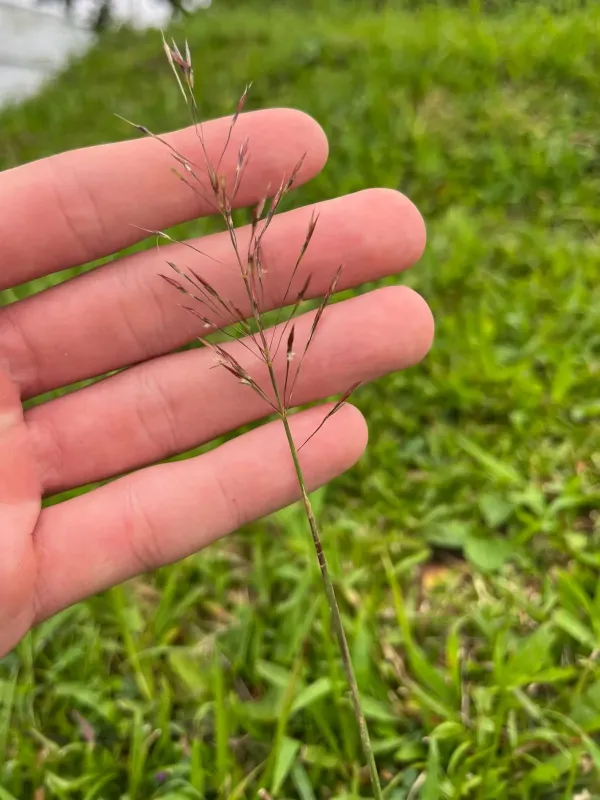
Description
Sowing dates
Chrysopogon aciculatus is a perennial grass species that reproduces primarily through creeping rhizomes and seeds. Propagation is most successful when moisture levels are high, typically at the start of the rainy season, allowing the plant to establish a strong root system rapidly.
For large-scale cultivation, the soil should be prepared through deep tilling to remove competing vegetation and provide a loose seedbed. Seeds or vegetative segments should be planted at a shallow depth, ensuring good contact with the soil for optimal germination rates.
Initial establishment requires attention to weed control. Because the species spreads laterally, initial spacing is crucial; once established, it forms a dense, carpet-like mat that effectively suppresses most competing weeds.
Temperature requirements for successful germination range between +25°C and +30°C. Under these conditions, the grass exhibits vigorous growth, filling the available space within a few weeks of planting.
Soil compaction after planting is recommended to prevent the surface from drying out. Consistent moisture during the first month is vital, as the seedlings are delicate before the rhizomes begin to develop their full exploratory capacity.
Growing requirements
The plant thrives in full sunlight, which is necessary for maximizing biomass production. It is adaptable to a wide range of soil types, including sandy, loamy, and even heavy clay soils, provided that drainage is adequate to prevent waterlogging.
Chrysopogon aciculatus is known for its resilience and ability to grow in various pH levels. While it tolerates nutrient-poor soils, its forage productivity is significantly enhanced by nitrogen-rich fertilization, which supports rapid leaf regeneration.
Climate-wise, the species is native to tropical and subtropical regions. It performs best in temperatures between +22°C and +35°C and is strictly intolerant of freezing conditions, which can kill off the above-ground biomass and inhibit rhizome recovery.
Though it demonstrates a degree of drought tolerance, the grass prefers environments with regular rainfall. In arid regions, supplemental irrigation is required to maintain the green cover and prevent the plant from entering a dormant, low-productivity state.
- Light: Requires full solar exposure.
- Soil: Well-drained, tolerant of varying fertility.
- Water: Prefers moderate to high rainfall.
- Climate: Tropical and warm subtropical zones.
Yield
The yield of Chrysopogon aciculatus is generally considered high for grazing purposes, especially under intensive management. It regenerates quickly after grazing or cutting, allowing for multiple harvests per year in optimal tropical climates.
The primary agricultural value is its role as a pasture crop for cattle and goats. It provides a reliable source of green forage, particularly in regions where other forage species may struggle due to soil variability or climatic stress.
When harvested for hay, timing is critical. Harvesting must occur before the plant enters the full reproductive stage to avoid the development of stiff, sharp-pointed spikelets, which can be injurious to livestock when ingested.
Forage quality is highest in the young vegetative phase, characterized by higher protein content and softness. Rotational grazing systems are recommended to ensure that the grass is consumed at its peak nutritional stage while preventing overgrazing.
Overall biomass production can be optimized through periodic nitrogen fertilization and balanced irrigation. With proper management, the dense growth habit of this grass also serves as an effective soil stabilizer, preventing surface erosion.
Main diseases and pests
Fungal diseases, particularly leaf spot and rust, can occur under conditions of excessive humidity and poor air circulation. These diseases reduce the photosynthetic surface area and decrease the overall nutritional value of the foliage.
Insect pests are generally minor, but population outbreaks can occasionally damage the root system or foliage. Integrated pest management strategies, such as maintaining optimal plant density, are usually sufficient to keep damage below economic thresholds.
A significant concern is the plant's ability to propagate via seeds that attach to animal hides and clothing. This characteristic makes it a nuisance in areas where weed control is strictly regulated, necessitating careful management of the flowering cycle.
Prevention of diseases is largely achieved through good agronomic practices, such as ensuring proper soil drainage and avoiding over-application of water. Clearing accumulated dead plant debris can also help reduce the risk of disease spread.
In cases of severe infestation, targeted mowing followed by the removal of the affected biomass is recommended. This method effectively reduces pest and disease pressure without the heavy use of chemical inputs.
Harvesting
Harvesting for fodder is best performed during the late vegetative phase. This stage balances total biomass weight with the nutritional density of the plant, ensuring the grass is suitable for animal consumption.
Mechanical harvesting via rotary mowers should be adjusted to a height of approximately 5–7 cm. Cutting too low can damage the growing points in the rhizomes, which slows down the rate of regeneration for the subsequent harvest cycle.
Post-harvest, the grass should be sun-dried in thin layers to facilitate moisture reduction. Drying to a moisture content of about 15% is ideal for long-term storage and helps in preventing the growth of molds or the development of dangerous heat spots in hay bales.
If utilizing the grass as a permanent pasture, management should involve monitoring the height of the sward. Removing livestock before the grass is cropped to the soil surface is essential for maintaining a healthy and productive pasture for many seasons.
The final harvest of the season should be timed to allow the plants to accumulate enough energy reserves in their root systems. This ensures the grass survives any seasonal dormancy or brief periods of environmental stress before the next growth cycle begins.