
Vetiver
Chrysopogon zizanioides (L.) Roberty
Description
Growing requirements
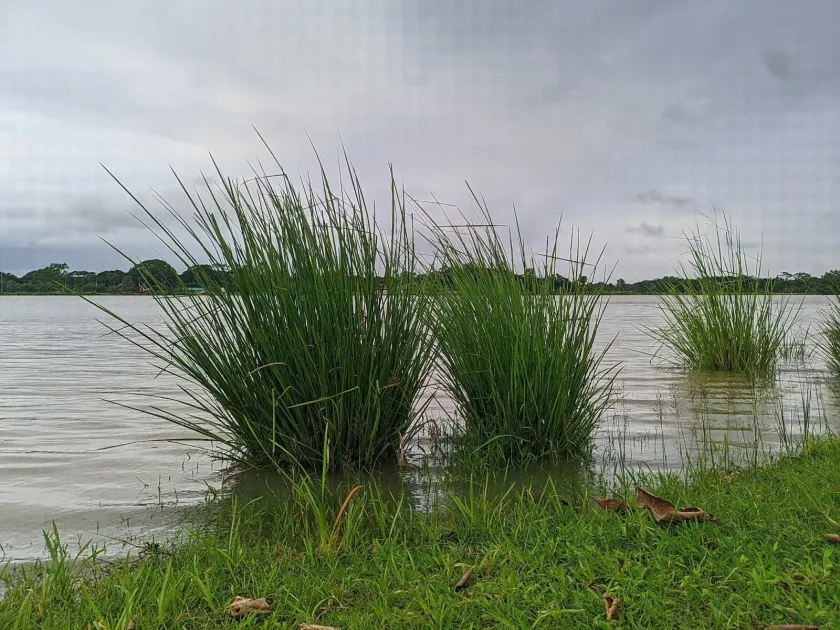
Vetiver (Chrysopogon zizanioides) belongs to the Poaceae family. It is a perennial grass native to the tropical regions of India, Southeast Asia, and Africa, known for its deep and strong root system.
The crop thrives in warm and humid climates. The optimal temperature for active growth ranges between 22 and 35 degrees Celsius, although the plant is resilient enough to withstand short-term droughts or temporary flooding.
Vetiver is not demanding regarding soil types, though it performs best in light sandy or loamy soils with adequate drainage. It demonstrates remarkable adaptability to a wide range of soil pH levels and can even grow in soil contaminated with heavy metals.
A key botanical feature is its dense root system, which can grow to depths of 3-4 meters. This physical structure makes the plant an essential tool for soil erosion control and stabilization of slopes and embankments.
Agronomic management involves vegetative propagation by dividing the clumps. Planting is typically carried out at the beginning of the rainy season, which provides the necessary moisture for the young plants to establish themselves during the critical first months.
Yield
The commercial use of vetiver focuses on the extraction of essential oil, which is distilled from its roots. The yield of the roots largely depends on soil fertility, moisture availability, and the age of the plantation.
Harvesting usually occurs 18 to 24 months after planting, as this period allows the roots to accumulate the maximum concentration of essential oils, which are highly prized in the perfume and fragrance industry.
In industrial settings, the oil yield ranges from 0.5 to 1.5 percent by weight of dried roots. Additionally, the aerial biomass can be utilized as mulch, livestock fodder, or raw material for paper production and handicrafts.
An important aspect is the plant's use in bioengineering projects. Due to the exceptional tensile strength of its roots, planting vetiver in specific densities effectively prevents soil degradation and protects riverbanks.
The economic viability of this crop is determined not only by oil production but also by the longevity of the plantings, which can be harvested over several years without significantly exhausting the soil nutrients.
Main diseases and pests
Vetiver is considered one of the most resilient agricultural crops with very high resistance to pathogens. It has virtually no specific pests that could cause significant damage to a commercial plantation.
In rare instances, improper agronomic practices or excessive waterlogging can lead to fungal diseases such as root rot. This rarely happens in well-drained soils, confirming the plant's robust health profile.
Insect attacks are generally non-existent for this crop due to the high content of specific essential oils in the plant tissues, which act as a natural, powerful repellent for many insect species.
Weeds can only compete with vetiver during the initial stage of planting and root establishment. Once the plant forms a mature, dense clump, it effectively suppresses the growth of all surrounding weeds through its aggressive root system.
To prevent potential phytosanitary risks, it is recommended to use only healthy planting material and to avoid water stagnation in the fields, which eliminates the need for any chemical pesticides or herbicides.
Harvesting
Harvesting vetiver is a labor-intensive process that requires mechanization or skilled manual labor using specialized shovels or forks. The roots must be extracted with care to prevent excessive fragmentation or damage.
After excavation, the roots are cleaned of soil, washed with running water, and subjected to a controlled drying process. Drying must be monitored to maintain the aroma profile and prevent mold growth.
During processing, the roots are often shredded or ground to facilitate efficient steam distillation. The quality of the final essential oil depends heavily on the time elapsed between harvesting and the distillation stage.
The aerial parts of the grass are typically harvested alongside the roots and can be processed into compost or used as organic fertilizer to replenish soil health within the plantation site.
Storing the harvested roots requires dry, well-ventilated conditions. Excessive moisture during storage can degrade the essential oils, reducing their intensity and overall market value, thereby impacting profitability.