
Yellow chionochloa
Chionochloa flavicans Zotov
Description
Growing requirements
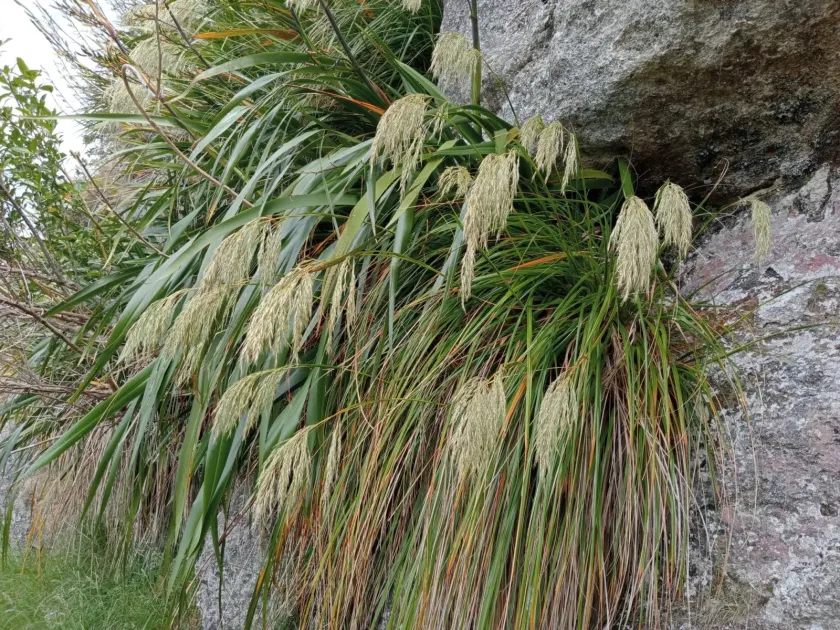
Yellow Chionochloa (Chionochloa flavicans), also known as the dwarf toe toe, is a perennial ornamental grass native to the North Island of New Zealand. It belongs to the Poaceae family and is highly valued in horticulture for its dense, fountain-like habit and attractive architectural foliage.
The plant grows in stiff, arching tussocks with slender, yellowish-green leaves. During the peak of summer, it produces graceful, fluffy flower panicles that rise above the foliage. These plumes are durable and provide visual interest throughout the autumn and even winter months.
For optimal growth, Chionochloa flavicans requires full sun to light shade and well-drained soil conditions. It is specifically adapted to sites with low fertility and excellent drainage, making it an ideal candidate for rock gardens, dry slopes, or containers where water-logging can be avoided.
Cultural maintenance involves keeping the site weed-free and providing protection from severe frost in colder regions, although the plant is generally hardy in temperate zones. Minimal pruning is required; it is best to groom the plant in early spring to remove dead foliage and encourage new growth.
In landscape design, this grass serves as an excellent texture plant. It is frequently utilized in modern minimalist gardens, xeriscaping projects, and mass plantings to create a naturalistic look. Its drought tolerance once established makes it a sustainable choice for many garden types.
Main diseases and pests
The primary threats to this grass are fungal diseases associated with damp conditions and poor air circulation. It is crucial to ensure that the crown of the plant stays dry, especially during periods of high humidity or excessive rainfall.
Pests are generally not a major concern for Chionochloa, though aphids may occasionally colonize the soft, new foliage. Implementing integrated pest management, such as encouraging beneficial insects and ensuring the plant remains vigorous through proper site selection, is the best strategy.