
Loose silky-bent
Apera spica-venti (L.) P. Beauv.
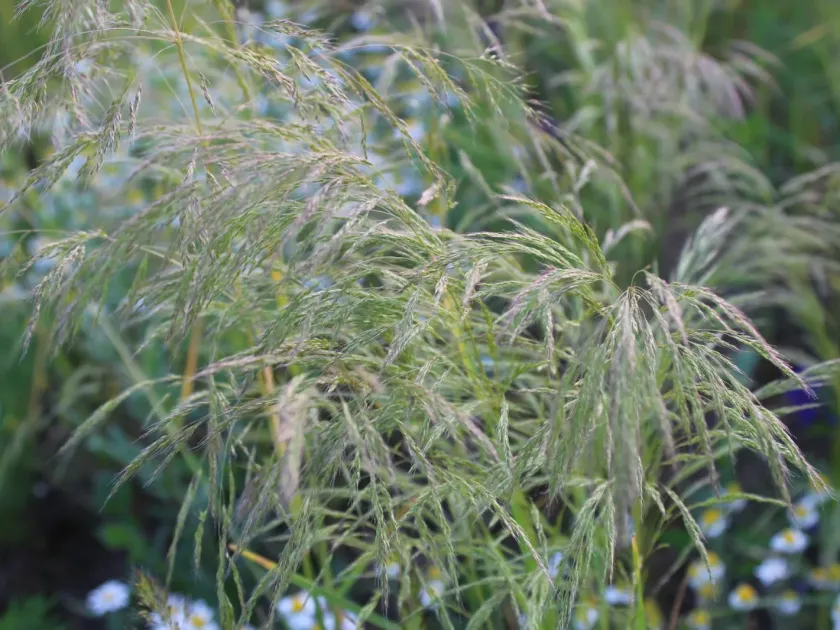
Description
Sowing dates
Loose silky-bent is primarily a winter annual grass weed that typically germinates in the autumn alongside winter cereal crops.
The main period of seed germination occurs during September and October, allowing the weed to compete directly with wheat and rye for nutrients from the onset.
During a mild autumn, the plant establishes a strong vegetative rosette, which serves as a foundation for successful overwintering in the field.
Early spring growth is a distinct feature of this species, as it begins active tillering as soon as the soil temperatures permit movement.
The lifecycle of the plant is synchronized with traditional winter crops, ensuring that it reaches maturity before the harvest season begins.
Growing requirements
This species thrives in light-textured soils such as sandy or silty loams, though it demonstrates significant adaptability to various edaphic conditions.
Moisture availability is a critical factor for successful germination, making high rainfall in early autumn a catalyst for heavy weed infestation.
Loose silky-bent requires high levels of light, meaning that fields with poor crop establishment are significantly more vulnerable to its rapid spread.
Temperature requirements for germination fall between 10 and 15 degrees Celsius, matching the environmental conditions of the sowing window for winter grains.
Effective management requires a combination of good crop rotation, optimal seed placement, and the tactical application of herbicides during the early stages.
Main diseases and pests
Loose silky-bent is a highly competitive weed that can lead to substantial yield losses if not managed properly during the early growth stages of the crop.
It acts as a host for various cereal pests and can influence the local microclimate within the crop canopy, potentially favoring fungal disease development.
The high seed production capacity of individual plants ensures that a soil seed bank is quickly established, requiring long-term management strategies.
Chemical control remains the primary method for dealing with infestations, utilizing selective herbicides designed for grass weed suppression in wheat fields.
- Deep tillage in the autumn.
- Optimization of crop density.
- Strategic herbicide application.
- Stringent field monitoring in early spring.