
Veronicastrum villosulum
Veronicastrum villosulum
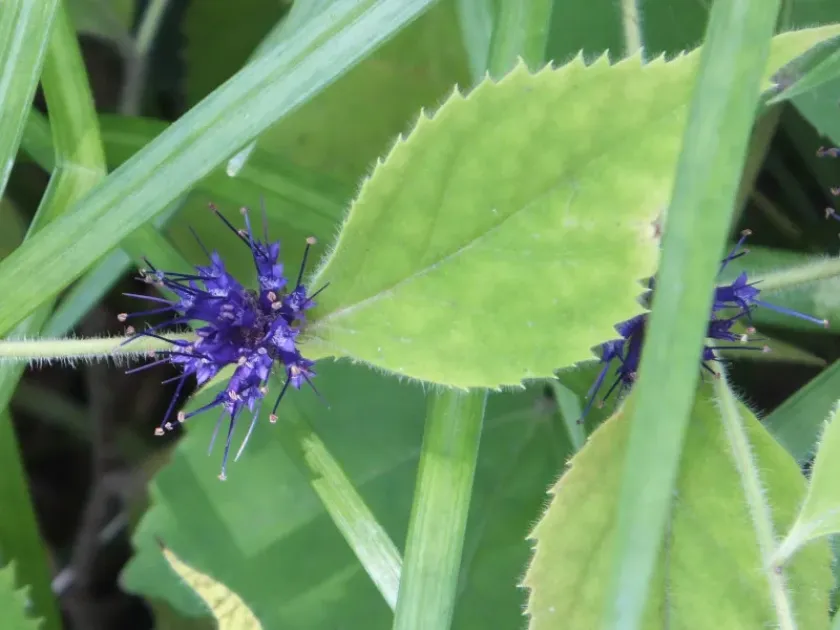
Description
Sowing dates
Sowing Veronicastrum villosulum seeds is best performed in late autumn for winter sowing, allowing natural cold stratification to break seed dormancy. Indoor sowing in late winter or early spring is also possible, provided the seeds are placed in a cool environment during germination.
The seeds require exposure to light to germinate effectively; therefore, they should not be covered deeply with soil. A light dusting of sand or vermiculite is sufficient to keep the seeds in place and maintain adequate moisture levels during the critical germination phase.
Seedlings develop relatively slowly, so patience is required during the first stages of growth. Once the plants develop at least two sets of true leaves, they should be carefully transplanted into larger pots or their permanent location in the garden.
The first growing season is primarily dedicated to root system development, which ensures the plant can support its future height. Expect full vigor and the characteristic tall, elegant spikes to emerge in the second or third year after establishment.
Proper spacing is essential to allow for healthy air circulation around the plants. Planting them 45–50 centimeters apart prevents the crowding that often leads to humidity-related diseases during the peak of summer.
Growing requirements
Veronicastrum villosulum thrives in fertile, moisture-retentive, and well-draining soils. While it appreciates consistent moisture, it will not tolerate long periods of waterlogging, which can easily damage the root system in poorly structured soils.
The plant performs best in full sun but can adapt to partial shade in hotter climates where scorching sun might stress the leaves. Consistent exposure to sunlight is crucial for maintaining the plant's upright habit and preventing it from becoming leggy.
Watering should be managed carefully, especially during dry spells in mid-summer. Mulching the area around the base of the plant with organic compost helps retain soil moisture and suppresses unwanted weed growth throughout the season.
Soil nutrient levels should be maintained through balanced fertilization applied early in the growing season. A slow-release fertilizer provides a steady supply of nutrients, which promotes robust growth and prolific flowering during the late summer months.
- Regular hydration during drought
- Organic matter incorporation in soil
- Mulching for moisture retention
- Routine weeding around the base
- Autumn clean-up of foliage
Main diseases and pests
Powdery mildew is the most common fungal issue affecting the plant, especially when air circulation is compromised. High humidity levels combined with stagnant air provide an ideal environment for this pathogen to spread across the foliage.
Root rot caused by Phytophthora or Pythium species can occur if the soil remains excessively wet. Proper soil drainage and avoiding overhead watering late in the day significantly reduce the risk of these soil-borne diseases.
Insects like aphids may target the succulent tips of new growth, causing minor distortion. While usually not fatal, heavy infestations should be treated with insecticidal soaps or neem oil to maintain the aesthetic quality of the blooms.
Slugs and snails can cause damage to emerging shoots in the spring, making protective measures like barriers or bait useful during the early growth period. Keeping the area free of debris reduces potential hiding spots for these pests.
Regular maintenance, including the removal of dead or dying plant material, is the best form of defense against common pests and diseases. By keeping the plant healthy and vigorous, it naturally develops a stronger resistance to environmental stressors.