
Virginia plantain
Plantago virginica
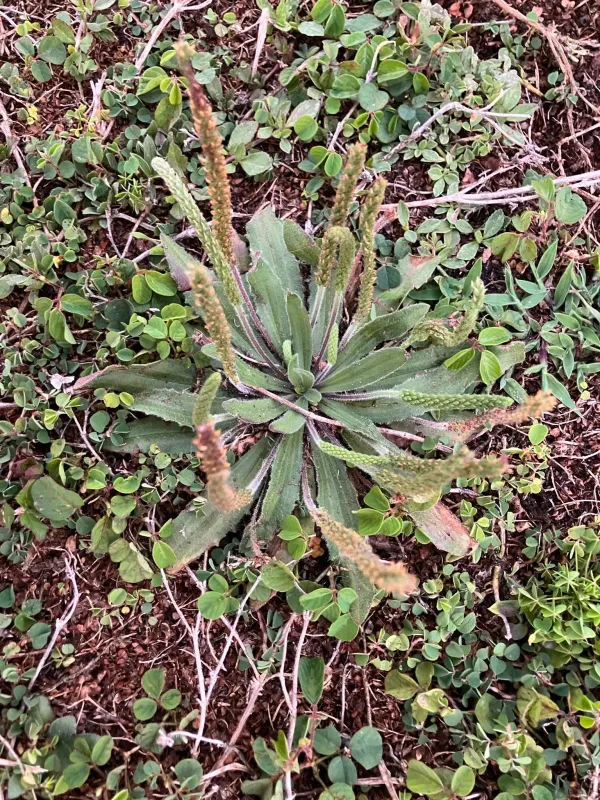
Description
Sowing dates
Virginia plantain is an annual herbaceous plant whose life cycle begins with seed germination in early spring. The optimal period for sowing occurs when soil temperatures reach 10-12 degrees Celsius, facilitating robust initial growth.
For successful stratification and uniform emergence, seeds require intimate contact with moist soil. In field production, sowing is typically performed in rows, maintaining a spacing of approximately 30-40 centimeters between rows.
It is essential to remember that the seeds are extremely small; therefore, sowing depth should not exceed 0.5 to 1 centimeter. Proper depth ensures that seedlings receive adequate light to trigger early development.
In natural habitats, this plant demonstrates high self-seeding capabilities, a factor that must be managed during crop rotation planning. Before cultivation, fields should be thoroughly cleared of perennial weeds.
Using precision seed drills allows farmers to achieve optimal plant density. Consistent spacing is critical for maximizing biomass yield and ensuring the uniform health of the crop throughout the growing season.
Growing requirements
Belonging to the Plantaginaceae family, this species is highly adaptable to various light conditions. It thrives in open, well-drained environments with light, sandy-loam or loamy soil textures.
The plant prefers moderately acidic to neutral soils rich in organic matter. However, Virginia plantain is resilient and can tolerate periods of temporary drought due to its deep taproot system, which extracts water from the lower soil horizons.
To sustain intensive growth, a stable ambient temperature between 18 and 25 degrees Celsius is ideal. The crop is sensitive to soil compaction, necessitating periodic cultivation or light tilling between rows.
Field management must prioritize drainage, as waterlogging in the root zone is detrimental to the plant's root collar development. The crop responds favorably to balanced nitrogen-phosphorus fertilization.
Climate requirements include sufficient rainfall during the leaf rosette phase. Moisture deficits during this time may stall growth, causing the plant to trigger its reproductive cycle prematurely.
Main diseases and pests
Like most members of the Plantago genus, this species can be susceptible to powdery mildew under conditions of high humidity. Preventive measures include maintaining optimal plant spacing to promote airflow.
Major pests include various leaf beetles and cutworms that damage the foliage. Effective pest management is achieved through regular scouting and the judicious use of biological control agents.
Root rot can occur during prolonged periods of excessive soil moisture. To mitigate this risk, irrigation schedules must be strictly regulated, and the over-application of organic manures should be avoided.
Viral infections transmitted by insect vectors can lower the quality of the harvested herbal raw material. Utilizing clean, certified seed is the first line of defense against these systemic pathogens.
Competition from weeds during the early seedling stage is a primary risk factor. Timely mechanical weeding is essential until the foliage canopy closes, effectively shading out potential weed competitors.
Harvesting
The primary harvest target is the vegetative biomass, which is best collected during the peak flowering stage. At this time, the concentration of bioactive compounds in the leaves is at its maximum.
Mechanical harvesting is conducted using sickle-bar mowers set at a height of 5-7 centimeters above the ground. Preventing soil contamination is paramount for maintaining the cleanliness and value of the raw material.
Once harvested, biomass must be transported quickly to drying facilities. Drying is best performed in well-ventilated areas or specialized forced-air dryers at temperatures not exceeding 45 degrees Celsius.
For seed production, harvesting occurs at full maturity when flower spikes turn a brownish color. Seeds require professional cleaning to remove chaff and must be dried to specific moisture standards for storage.
Stored plant material should be kept in breathable paper bags or sealed containers within cool, dry, and light-protected warehouse environments to maintain shelf life.