
Veronicastrum tubiflorum
Veronicastrum tubiflorum
Description
Growing requirements
Veronicastrum tubiflorum is a herbaceous perennial plant belonging to the Plantaginaceae family. Originally native to the regions of Eastern Asia, including Russia's Far East, China, and Japan, this species is increasingly valued for its architectural presence in both private and professional horticultural settings.
The plant thrives in locations that offer full sun to partial shade. To achieve optimal growth, it requires deep, moisture-retentive, and nutrient-rich soils with a slightly acidic to neutral pH. Proper soil structure is critical to prevent the roots from suffocating in heavy, waterlogged ground.
Regarding climate, this perennial is remarkably hardy and well-adapted to temperate zones. It displays strong resistance to winter cold, although it appreciates consistent moisture levels throughout the summer months to sustain its vigorous, upright stems and dense foliage.
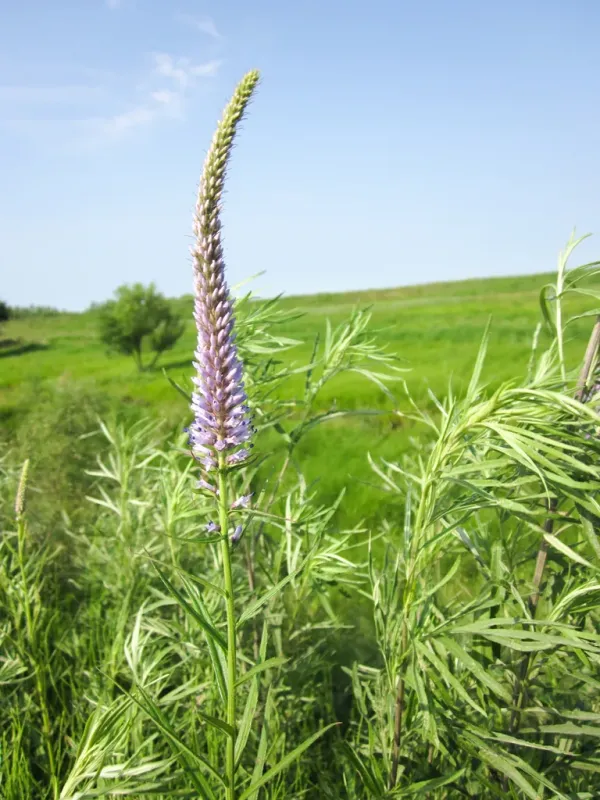
Botanically, it is characterized by its distinct, whorled leaf arrangement and its impressive, long, spike-like racemes of tubular flowers. These flower spikes emerge in late summer, providing a vertical structural element that remains stable even in windy conditions due to the plant's robust stems.
In terms of agricultural and horticultural use, Veronicastrum tubiflorum serves as an excellent nectar source, significantly attracting bees and butterflies. This makes it an essential choice for biodiversity-focused plantings and pollinator-friendly garden designs, contributing to the overall health of the ecosystem.
Main diseases and pests
The most common disease threats to this plant are fungal infections like powdery mildew, which typically appear during periods of high humidity and poor air circulation. To manage this, gardeners should ensure adequate spacing between plants and avoid overhead watering that keeps the foliage consistently wet.
Insects such as aphids can occasionally become a nuisance by attacking the tender new growth during the spring season. Integrated pest management, which includes encouraging natural predators or using mild horticultural soaps, is the recommended approach to maintaining a healthy crop without harming beneficial insect populations.