
Veronicastrum sibiricum
Veronicastrum sibiricum
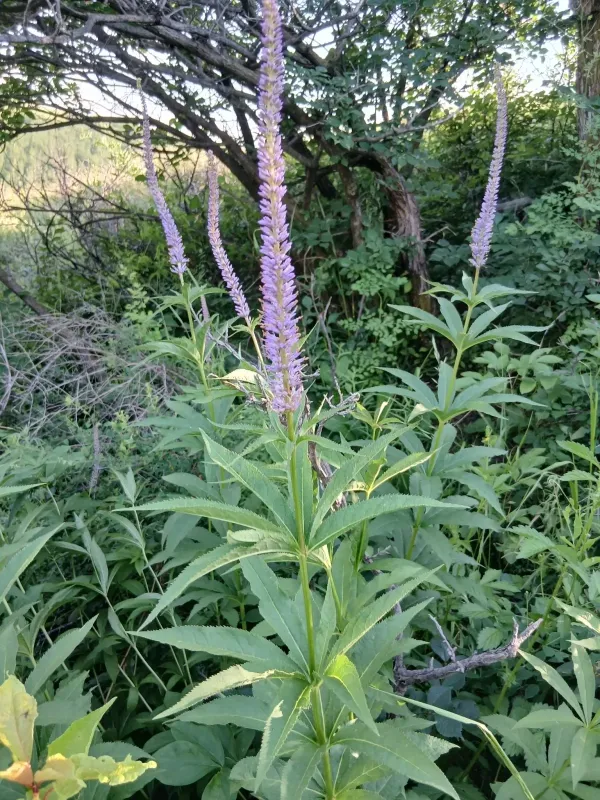
Description
Sowing dates
Seeds of Veronicastrum sibiricum are typically sown in late autumn for winter stratification or in early spring in greenhouses. The seeds are characterized by a period of dormancy, requiring cold treatment (stratification) for 1–2 months to ensure high germination rates.
For indoor propagation, seeds should be sown in a high-quality, lightweight growing medium at a depth of 0.5 cm. The trays should be covered and kept at a temperature of approximately +20°C until sprouts emerge, at which point the temperature should be gradually lowered.
Seedlings are ready for transplanting into the open field in late May, once the risk of spring frosts has completely passed. Plants should be spaced 40–50 cm apart, allowing sufficient room for the plant to spread its rhizomatous root system over subsequent years.
Vegetative propagation by division is considered the most efficient method, usually performed in early spring or early autumn. Each divided section must have a robust root structure and at least 3–4 healthy growth buds to ensure successful establishment.
Post-planting care involves consistent moisture management, particularly during the first few weeks, until the root system has fully anchored in the soil and the plant begins to show active growth.
Growing requirements
Veronicastrum sibiricum belongs to the Plantaginaceae family and is highly valued for its winter hardiness and structural elegance. It is native to the forests and meadows of Siberia, the Far East, and parts of East Asia, which dictates its preference for cooler climates.
The plant thrives in full sun or light shade, provided it is shielded from strong, damaging winds. It prefers deep, fertile, humus-rich soil that is moisture-retentive yet well-draining, preventing any waterlogging in the root zone.
Soil structure is critical; while it tolerates various soil types, loamy soils with high organic matter content are ideal. The pH should be neutral to slightly acidic to optimize nutrient uptake during the peak of the growing season.
Routine fertilizing is recommended during the early spring and prior to the flowering stage. Incorporating organic compost as mulch around the base of the plant helps suppress weeds, maintains soil moisture, and provides a steady supply of nutrients.
Maintenance tasks include the removal of spent flower spikes, which helps maintain the plant’s tidy appearance and prevents excessive self-seeding. In regions with frequent heatwaves, deep watering during the summer months is highly recommended.
Main diseases and pests
Veronicastrum sibiricum is generally robust, but it can be susceptible to powdery mildew if airflow is restricted and humidity remains consistently high. Thinning out overgrown clusters helps promote better air circulation.
Root rot is a potential risk in poorly drained soil, particularly if the plant remains saturated during dormant winter months. Ensuring a proper drainage layer is the most effective preventative measure against fungal soil pathogens.
Aphids and spider mites are common pests that may affect the foliage and flower buds, especially during hot and dry spells. If infestations occur, systemic insecticides or neem-based solutions can be applied to mitigate the damage.
Slugs and snails may occasionally feed on young foliage, especially in damp, shaded garden environments. Applying specialized pellets or using physical barriers around the crown of the plant can significantly reduce their impact.
Maintaining a proactive approach, including regular inspection of the foliage and rapid removal of any diseased plant tissue, ensures that Veronicastrum sibiricum remains healthy and visually appealing throughout the season.