
Welden's plantain
Plantago weldenii
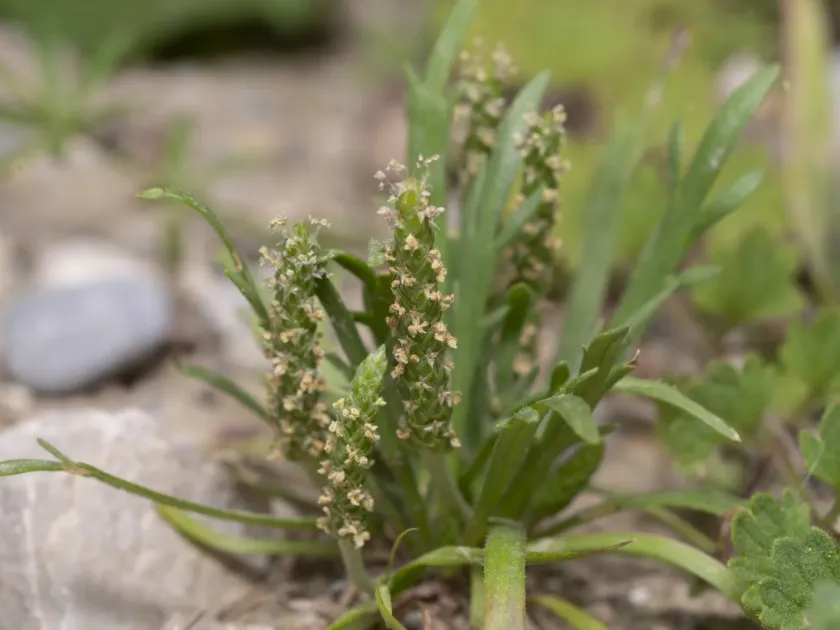
Description
Sowing dates
Welden's plantain is a perennial herb of the Plantaginaceae family, increasingly recognized for its medicinal and agricultural potential. Sowing is typically performed in early spring once soil temperatures reach a consistent 10 degrees Celsius.
Seeds are small and require surface sowing or very light covering with soil to ensure proper germination, as light is a critical factor for success. Rows should be spaced about 50 centimeters apart for optimal growth.
Preparation of the seedbed is vital, involving fine soil structure and moderate compaction. Using high-quality, pre-treated seeds can significantly increase the emergence rate and uniformity of the plantation.
In the first year, the crop focuses on establishing a strong root system and a rosette of leaves. The plants become more robust and productive in subsequent years, making it a sustainable choice for long-term cultivation.
Maintaining a weed-free environment during the early seedling stage is crucial for the crop to establish itself. Once fully established, the plant's dense foliage naturally suppresses many competing weeds.
Growing requirements
This species thrives in sunny, open locations as it requires high light intensity to maximize the production of secondary metabolites. Shaded areas should be avoided to prevent poor crop quality.
The plant prefers neutral or slightly alkaline, well-drained loamy soils. Good drainage is essential, as the plantain can be sensitive to prolonged waterlogging, which often leads to root health issues.
Welden's plantain is notably drought-tolerant, capable of surviving periods of low rainfall once established. However, providing adequate moisture during the intensive growth phase will ensure higher biomass yields.
The ideal temperature range for active growth is between 18 and 25 degrees Celsius. The plant is hardy and can withstand varying climates, provided that extreme temperature fluctuations are managed.
Regular soil monitoring and the application of balanced nutrients can help maintain plant vigor. While it can grow in poor soils, additional organic amendments will lead to more uniform and larger leaves.
Main diseases and pests
The main threats to the crop include common pests such as beetles and caterpillars, which can damage the leaves. Integrated pest management, focusing on biological controls, is highly recommended.
Fungal diseases, especially powdery mildew, can appear in conditions of high humidity or poor air circulation. Proper spacing between plants and rows helps reduce the risk of such outbreaks.
Root rot is a potential risk if the soil remains excessively wet for long periods. Ensuring proper field drainage and avoiding over-irrigation are key preventative measures for any grower.
Regular inspection of the field is necessary to catch disease or pest presence early. Using clean, pathogen-free seeds is the first step in maintaining a healthy and productive field.
Since the harvested material is primarily used for medicinal purposes, all interventions must follow strict safety standards to prevent contamination of the final product.
Harvesting
Harvesting is best conducted during the early flowering phase, as this timing ensures the highest concentration of medicinal compounds within the leaf tissue.
The harvest should occur on a dry day to prevent moisture-related decay. Leaves are harvested at a height of 3 to 5 centimeters above the crown to prevent damage and allow for regrowth.
Immediate processing after harvest is essential. The leaves should be dried in a thin layer in shaded, well-ventilated areas or in controlled dryers at temperatures below 45 degrees Celsius.
Properly dried leaves should retain their green color and original texture. This indicates that the active compounds have been preserved effectively throughout the drying process.
Final storage should be in a cool, dark, and dry place. Following these practices guarantees a shelf life of several years while maintaining the plant's pharmaceutical efficacy.