
Stemodia viscosa
Stemodia viscosa Roxb.
Description
Sowing dates
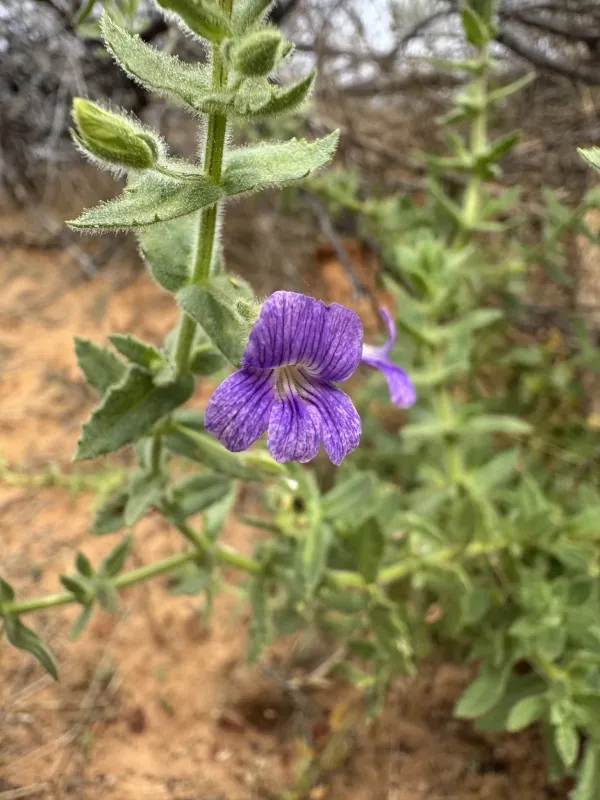
Stemodia viscosa, commonly known as sticky stemodia, is a member of the Plantaginaceae family. It is recognized for its glandular hairs that secrete a sticky substance, aiding its survival in harsh environments.
Originating from the arid regions of Australia, this plant has developed high resistance to heat. Botanically, it features simple or opposite leaves and small, often violet or white flowers that are structurally complex.
Sowing should take place when soil temperatures consistently stay above 20 degrees Celsius. Seeds are small and benefit from being sown on the surface or buried very shallowly in sandy, well-draining soil.
It is important to maintain consistent soil moisture during the initial germination phase. Once seedlings reach a height of 5-10 cm, irrigation frequency can be reduced to prevent saturation.
Agronomic management involves selecting well-draining plots. Avoiding low-lying areas is essential, as the plant is susceptible to waterlogging, which often leads to root collar rot.
Growing requirements
The plant thrives in full sun exposure. In shaded conditions, the stem structure weakens, and the plant becomes prone to physiological disorders and poor development.
Soil requirements focus on high aeration and drainage. Loam or sandy-loam soils are ideal, provided they are not excessively rich in nitrogen, which can lead to excessive foliage at the expense of root stability.
Watering should be managed based on local evapotranspiration rates. In arid regions, supplemental irrigation is necessary to maintain biomass quality throughout the growing season.
Climate tolerance is restricted to frost-free environments. The plant is essentially tropical or subtropical in its requirements, thriving best in moderate-to-hot weather.
Effective management includes regular monitoring of soil pH. Ensuring the substrate is slightly acidic to neutral provides the best availability of micronutrients for the glandular development.
Main diseases and pests
Common threats include pathogenic fungi like Pythium and Rhizoctonia, which thrive in damp soil conditions. These can devastate a crop rapidly if drainage is insufficient.
Insects like spider mites and aphids are primary pests. Their feeding causes leaf yellowing and structural damage, which can be particularly damaging to young plants.
Viral infections can also occur, transmitted by sap-sucking insects. Proper quarantine of new seedlings and destruction of infected individuals is the primary mitigation strategy.
Management of pest populations requires integrated pest management (IPM) practices, including the encouragement of natural predators within the cultivation area.
- Ensuring adequate spacing to prevent humidity buildup.
- Implementing drip irrigation to keep foliage dry.
- Regular scouting for signs of chlorosis or pest infestation.