
Hemianthus callitrichoides
Hemianthus callitrichoides
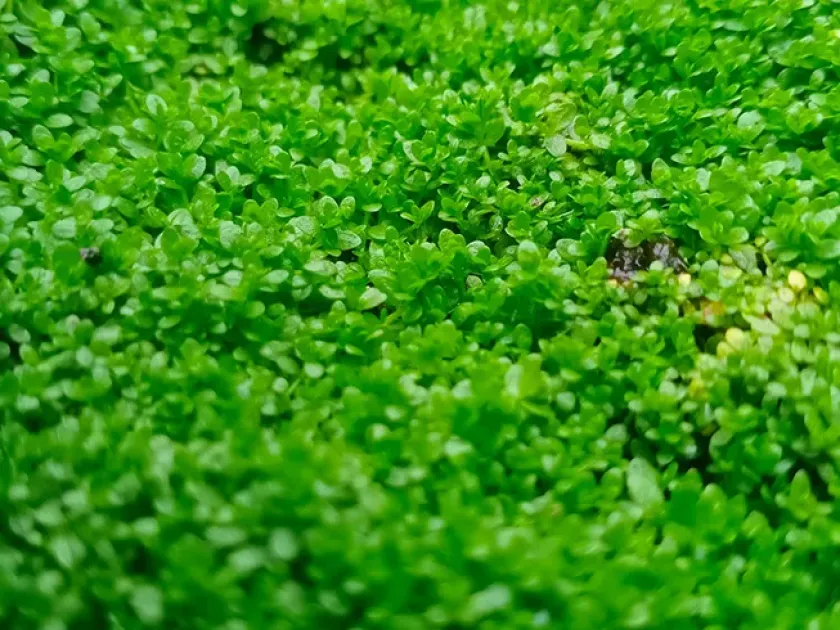
Description
Growing requirements
Hemianthus callitrichoides, commonly known as Dwarf Baby Tears, is a miniature aquatic plant belonging to the Scrophulariaceae family. It originates from the tropical habitats of Cuba, where it is found thriving in moist, semi-aquatic conditions.
High-intensity lighting is an essential requirement for this species. Without sufficient light, the plant will grow vertically rather than spreading horizontally, which ruins the appearance of a carpet.
The successful cultivation of this plant depends heavily on a consistent supply of carbon dioxide (CO2). Carbon supplementation is necessary to promote rapid growth and maintain the health of the small, delicate leaves.
A fine-grained, nutrient-rich substrate is vital for healthy root system development. The small roots of the plant rely on access to nutrients trapped in the soil, which allows it to creep effectively across the bottom of the tank.
Water parameters should be maintained within a temperature range of 18–28°C. Regular fertilization with liquid micronutrients is recommended to ensure the plant remains vibrant and free from deficiencies throughout its life cycle.
Main diseases and pests
The most common threat to this plant is the invasion of algae. Because the plant is so small and delicate, filamentous algae can easily smother it, preventing access to light and nutrients.
Poor water circulation can lead to dead spots in the carpet, causing the plant to rot from the inside out. Strategic placement of filters or powerheads is necessary to ensure adequate oxygenation.
Nutrient deficiency is another common issue. A lack of potassium or iron manifests as pale or yellowing leaves, which significantly impacts the aesthetic quality of the aquatic layout.
Physical disturbance is a significant risk factor. Fish that dig in the substrate, such as loaches or certain cichlids, can easily dislodge the plant due to its shallow and relatively weak rooting structure.
Sudden changes in water chemistry can stress the plant, leading to partial leaf drop. Maintenance should always be carried out in small, incremental steps to ensure the plant remains stable.