
Galvezia fruticosa
Galvezia fruticosa
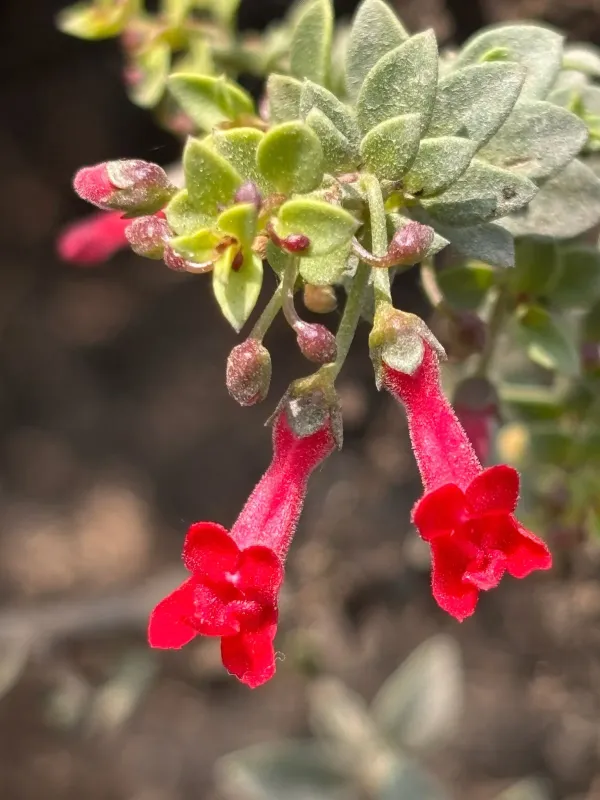
Description
Sowing dates
Galvezia fruticosa is a perennial shrub typically propagated by seeds sown in late winter or early spring. The seeds are very fine and require surface sowing on a light, well-draining substrate, as they need exposure to light to germinate effectively.
In temperate zones, it is best to start seeds in a greenhouse or nursery. Maintaining a consistent temperature between 18–20 degrees Celsius ensures uniform seedling growth until they are large enough to be moved outdoors.
Seedlings should be pricked out into individual pots once they develop their first set of true leaves. This promotes the development of a robust root system and prevents overcrowding, which can lead to damping-off.
Hardening off the plants is a critical phase, requiring at least two weeks of gradual exposure to outdoor conditions. Planting into the final location should only occur after the risk of spring frost has completely passed.
Vegetative propagation via stem cuttings is a common practice for maintaining genetic uniformity. Cuttings are placed in a sterile sand-based medium and kept in a humid environment to facilitate root development.
Growing requirements
Native to the arid coastal regions of Mexico and California, this plant belongs to the Plantaginaceae family. It is naturally adapted to Mediterranean-style climates characterized by dry, warm summers and mild winters.
The shrub thrives in full sun, which is essential for maximizing its flowering potential. While it can tolerate partial shade in hotter climates, deep shade will result in spindly growth and reduced blooms.
Soil requirements are strict regarding drainage. The plant performs best in sandy, gravelly, or well-draining loam soils. Avoid heavy clay soils that retain moisture, as they often lead to root rot.
Watering should be managed carefully; while young plants need regular moisture, established shrubs are quite drought-tolerant. Deep, infrequent watering is preferable to frequent, shallow watering to encourage deep root growth.
Fertilization should be kept to a minimum, as excessive nutrients promote lush foliage at the expense of floral production. A light application of compost in the spring is usually sufficient to support annual growth.
Main diseases and pests
Common pests include aphids and spider mites, which can become a problem in dry, stagnant air conditions. Regular inspection of the undersides of leaves can help detect early infestations before they spread.
Fungal diseases, particularly root rots, are the most frequent health issues caused by overwatering or poor drainage. Ensuring good air circulation around the base of the plant is vital for disease prevention.
Powdery mildew may manifest as a white coating on the leaves if humidity levels are high and airflow is restricted. Pruning back dense foliage helps maintain better ventilation within the plant structure.
Sanitation is key; removing dead or diseased foliage promptly reduces the risk of pathogens overwintering. Using sanitized tools for pruning further protects the shrub from mechanical transmission of diseases.
Integrated pest management, including the use of neem oil or insecticidal soaps, is highly effective if issues are caught early. Over-reliance on broad-spectrum chemicals should be avoided.
Harvesting
Although Galvezia fruticosa is primarily an ornamental shrub, pruning is considered a form of harvest to maintain shape. Light pruning should be performed after the main flowering flush to encourage a second cycle of blooms.
Stems can be trimmed back to manage the size of the plant, especially when grown in containers. Removing approximately one-third of the growth helps rejuvenate the shrub and promotes denser, healthier branches.
When collecting seeds for further propagation, wait until the seed capsules turn brown and begin to dry on the plant. Carefully harvest them before they shatter to ensure a successful yield for the next season.
Harvesting for floral arrangements is possible; the bright red, tubular flowers add interest to bouquets. Always use sharp, sterilized shears to make clean cuts, ensuring minimal stress to the parent plant.
Proper timing for pruning is usually late summer or early autumn, allowing the plant enough time to recover before the onset of colder weather or winter dormancy.