
Globularia fuxeensis
Globularia fuxeensis
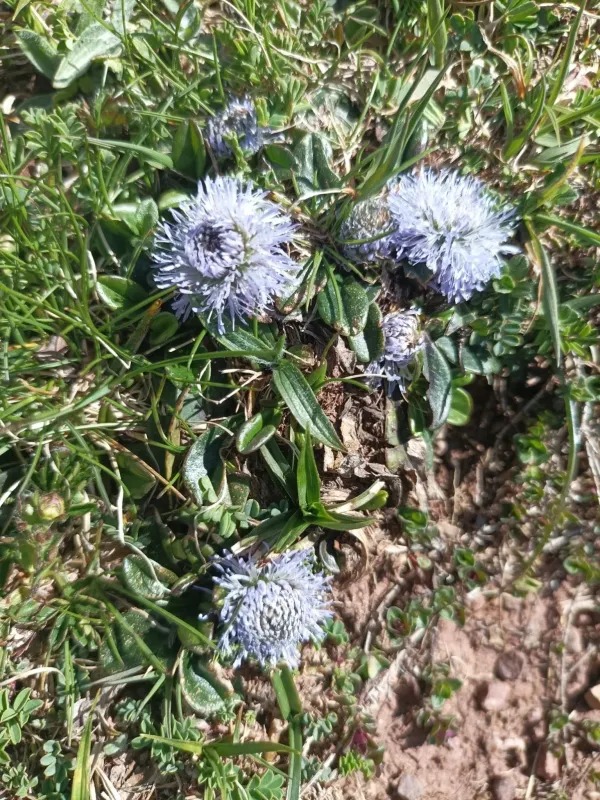
Description
Growing requirements
Globularia fuxeensis is a rare herbaceous perennial belonging to the Plantaginaceae family. It is a native of the Pyrenees, typically found growing in limestone cracks and rocky mountain slopes.
In cultivation, this species requires specific environmental conditions that mimic its alpine habitat. The primary necessity is a well-drained, alkaline, and gritty soil mix that does not retain excess water.
This plant is strictly heliophilous, demanding full sun to maintain its dense, cushion-like habit. If grown in partial shade, the plant becomes leggy and produces fewer of its characteristic blue globose flowers.
The agrotechnical management focuses on avoiding over-irrigation. Being a high-mountain plant, it is adapted to lean soils and limited water availability; thus, moderate watering is required only during extreme drought.
The main commercial and horticultural utility of Globularia fuxeensis is its role as a collector's item in rock gardens and alpine houses. Its aesthetic value lies in its compact foliage and unique flowering structure.
Main diseases and pests
The primary threat to Globularia fuxeensis is fungal infection driven by excess moisture. Root rot is a common issue when the plant is exposed to heavy soils or stagnant humidity during dormant periods.
Pests such as slugs and snails are significant threats, particularly in cool and humid weather. They can feed on the dense leaf rosettes, causing severe damage to the plant's structural integrity.
Preventive measures for diseases include placing a layer of fine gravel around the base of the plant. This protects the foliage from direct soil contact, reducing the risk of bacterial and fungal leaf spots.
Care should be taken during winter in climates with high rainfall. Providing a shelter or an overhead cover can prevent the root zone from becoming waterlogged, which is often fatal to the species.
Integrated pest management, including regular inspection and manual removal of gastropods, is the most effective approach for keeping the plants healthy in a garden setting.