
Deinostema adenocaula
Deinostema adenocaula
Description
Growing requirements
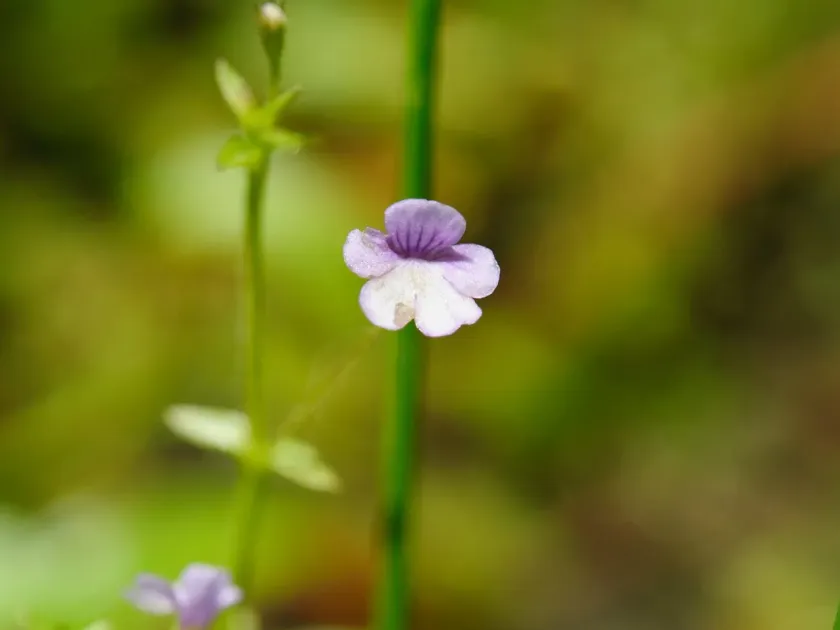
Deinostema adenocaula is a small herbaceous plant belonging to the Plantaginaceae family. It is native to East Asia, where it typically inhabits wetlands, marshes, and the edges of rice paddies, thriving in areas with high ambient moisture and specific ecological conditions.
The cultivation of this species requires constant moisture. It is best suited for environments with saturated substrates or shallow water, where it can maintain its metabolic functions without experiencing the stress of dehydration.
Soil requirements involve organic-rich, silty substrates with a neutral to slightly acidic pH. The plant performs exceptionally well when supplied with adequate mineral nutrients, which it absorbs through its shallow and efficient root system adapted for semi-aquatic life.
Botanically, it features opposite leaves and small, inconspicuous flowers located in the leaf axils. Its growth habit is upright, making it a distinctive choice for specialized gardening and aquatic display systems where space might be limited.
In practice, the plant is valued for its role in water filtration and as an ornamental species for aquatic environments. Its ability to absorb excess nutrients helps maintain water clarity and supports a balanced microbial life in artificial aquatic habitats.
Main diseases and pests
The primary environmental threat to Deinostema adenocaula is the fluctuation of water levels. Drying out of the substrate is fatal for the plant, as its root system lacks the tolerance to survive even short periods of arid conditions.
Pathological threats include fungal infections, which are common when water circulation is poor or humidity is excessively high. These pathogens often manifest as root or stem rot, necessitating proper spacing and water flow to manage humidity levels.
Pests, particularly aquatic snails, pose a significant risk to the succulent vegetative parts of the plant. They can quickly decimate young leaves and stems, requiring proactive management to ensure the health and aesthetic quality of the crop.
Maintenance of water quality is critical, as the plant is sensitive to chemical pollutants and high salt concentrations. Accumulation of heavy metals or sudden shifts in water chemistry can cause immediate stress, leading to stunted growth or death.
Monitoring the plant for early signs of decay or pest infestation is essential. Regular cleaning of the substrate and removing debris helps in preventing the buildup of bacteria and mold that often accompany decaying organic matter in stagnant water.