
Cymbalaria hepaticifolia
Cymbalaria hepaticifolia
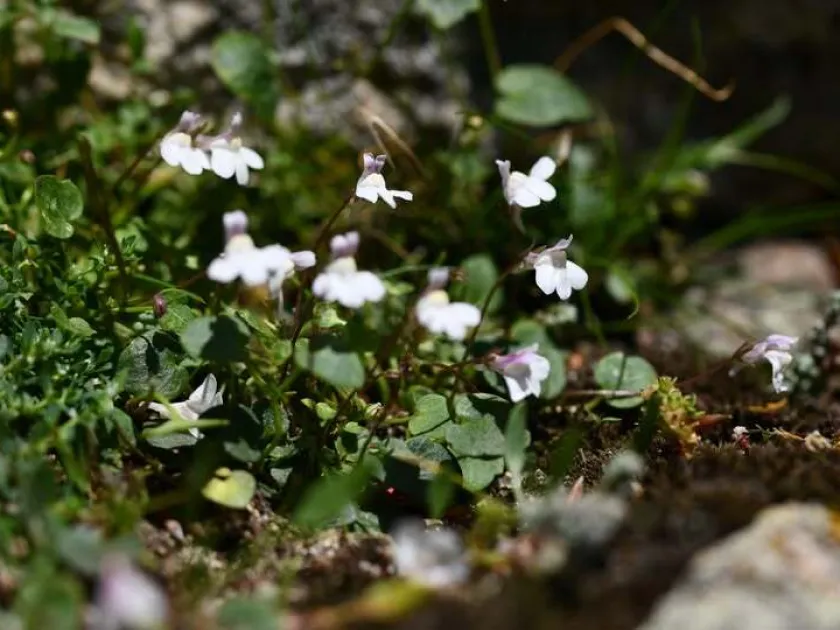
Description
Sowing dates
Sowing Cymbalaria hepaticifolia typically involves surface seeding because the seeds are extremely small. They require light to germinate, so they should not be covered with a thick layer of soil.
Cold stratification is highly recommended for these seeds. Sowing them in late autumn or using a refrigerator for several weeks before spring planting significantly improves the germination rate.
When starting indoors, use a fine-textured, moist potting mix. Maintain a temperature of about 20°C (68°F) and ensure the container is covered to keep humidity levels high during the germination phase.
Seedlings should be thinned or transplanted once they have developed a few true leaves. Care must be taken not to disturb the delicate root systems of the young plants during this process.
Hardening off the plants before placing them into their permanent garden location is essential, especially if they have been started in a controlled indoor environment.
Growing requirements
Cymbalaria hepaticifolia, a member of the Plantaginaceae family, is a delicate perennial ground cover. It is native to the mountains of Europe and thrives in cool, shaded environments.
The plant prefers rich, moist, and well-drained soils. It performs best in partial shade or shaded spots where the soil does not dry out completely during the heat of the summer.
Regular watering is necessary to keep the soil consistently moist. However, it is vital to avoid waterlogging, which can quickly lead to root rot in this moisture-loving species.
In terms of climate, it appreciates cooler temperatures. It is generally hardy, but providing a light organic mulch cover can help protect the plant from harsh, dry winter winds.
Cymbalaria is excellent for rock gardens, containers, or as a filler between paving stones. It spreads steadily, creating a lush green carpet with small, attractive flowers.
Main diseases and pests
Slugs and snails are the most common pests for Cymbalaria hepaticifolia. They are attracted to the cool, moist conditions that the plant creates, frequently damaging the leaves.
Root rot is a major threat caused by poor drainage. Ensuring the planting site has adequate permeability is the most effective way to prevent this common fungal problem.
Powdery mildew may occur if the plants are crowded together without sufficient air circulation. Improving spacing between plants can help reduce the incidence of this disease.
Integrated pest management, including the use of copper tape or physical barriers, can protect the plant from mollusk damage without relying on heavy chemical treatments.
Regular sanitation, such as removing dead leaves and clearing debris from around the base of the plant, helps maintain the health of the entire patch throughout the growing season.