
Deinostema violacea
Deinostema violacea
Description
Sowing dates
Deinostema violacea is a member of the Plantaginaceae family. It is primarily recognized as a specialized aquatic or semi-aquatic plant species native to East Asian wetlands.
Propagation is typically achieved through vegetative cuttings or by sowing seeds in a high-humidity, peat-based substrate which mimics its natural muddy habitat.
Sowing should be performed under controlled environmental conditions to ensure high germination rates, as the seeds are sensitive to moisture fluctuations.
The early growth stage requires careful management of light duration to ensure that the delicate seedlings develop a robust root system before full immersion.
Agronomic practices for this species focus on maintaining stable water levels, as sudden changes can stress the young plants and inhibit their development.
Growing requirements
Successful cultivation requires water with a slightly acidic to neutral pH balance, which closely mimics the chemistry of its native aquatic environments.
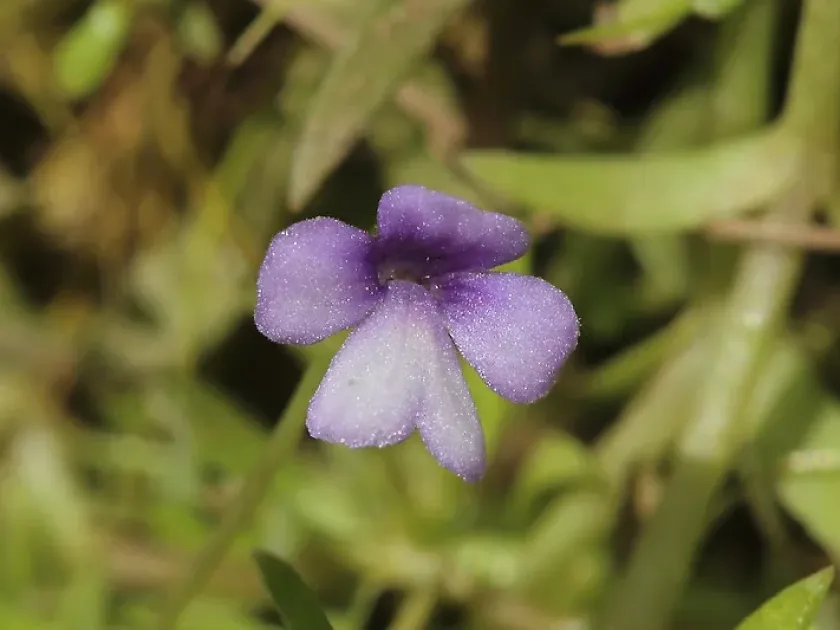
Light intensity is critical; adequate light is needed to preserve the characteristic violet coloration of the foliage, yet direct exposure to intense noon sun must be avoided.
The substrate must be rich in essential micronutrients, as Deinostema violacea absorbs a significant portion of its nutrition through its root system.
Temperature control is vital, with optimal growth observed between 22°C and 26°C. Stability in the thermal environment prevents physiological stress.
Proper water filtration and movement are necessary to maintain adequate oxygenation, preventing the buildup of toxins that can harm the root structure.
Main diseases and pests
Fungal infections remain the primary threat, often resulting from poor water quality or inadequate ventilation in greenhouse settings.
Leaf-eating pests and aquatic snails can significantly damage the tender leaves, requiring immediate integrated pest management strategies.
Bacterial decay of the stems can occur if the plant is subjected to stagnant water conditions, necessitating frequent water exchanges to maintain health.
Nutrient deficiencies, particularly involving iron and nitrogen, often manifest as chlorosis, reducing the plant's aesthetic and biological value.
Routine monitoring for signs of rot or discoloration allows for early intervention, ensuring the long-term survival of the crop.