
Chinese houses
Collinsia heterophylla G. Buist ex Graham
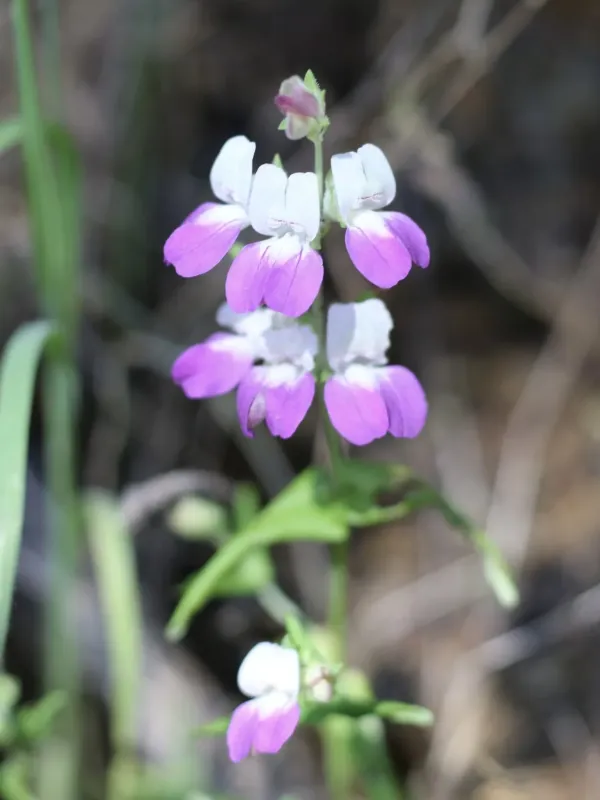
Description
Sowing dates
Chinese houses (Collinsia heterophylla) is an annual plant that is typically propagated through direct seeding. It is best to sow seeds in early spring as soon as the danger of hard frost has passed and the soil begins to warm up.
Seeds should be sown at a shallow depth of approximately 0.5 cm, as they require a certain amount of light to germinate effectively. The soil surface should be lightly pressed to ensure good seed-to-soil contact without burying them too deeply.
Adequate spacing is crucial for healthy development; seedlings should be thinned to about 15–20 cm apart. This prevents overcrowding and allows for proper airflow, which is essential to minimize the risk of moisture-related diseases.
Germination typically occurs within a few weeks when soil temperatures are consistently between 15 and 20 degrees Celsius. In regions with mild winters, autumn sowing is also a viable option to encourage earlier spring growth.
The plant establishes itself quickly from seed, making it a reliable choice for wildflower meadows and garden borders. Direct sowing is preferred, as this species does not always transplant well if roots are disturbed.
Growing requirements
A member of the Plantaginaceae family, Collinsia heterophylla is native to the woodlands and grasslands of California. It thrives in locations that offer full sun to partial shade, depending on the local summer temperature intensity.
The soil should be well-draining and moderately rich in organic matter. While the plant can adapt to various soil types, it performs best in loose, loamy soils that do not retain excess water, which could otherwise lead to root rot.
Watering requirements are moderate; the soil should be kept consistently moist during the active growth phase but never waterlogged. Once the plants are established, they are reasonably drought-tolerant, though flowering is improved with consistent moisture.
This species prefers cooler spring temperatures and can struggle in extreme summer heat. Selecting a site with morning sun and afternoon shade can extend the flowering period significantly in warmer climates.
Minimal fertilization is usually required. If soil quality is poor, a light application of a balanced, slow-release fertilizer early in the season can support vigorous stems and abundant, multi-tiered flower whorls.
Main diseases and pests
The primary threats to Collinsia heterophylla are fungal diseases such as powdery mildew, which thrive in conditions of poor air circulation and high humidity. Proper site selection and spacing are the best preventative measures.
Insect pests such as aphids and spider mites can occasionally affect the plants, especially during periods of water stress or lack of ventilation. These pests can be managed with insecticidal soap if an infestation occurs.
Root rot is a major risk in heavy, clay-based soils that lack drainage. Preventing overwatering and ensuring the soil structure is friable and porous is essential for protecting the root system throughout the growing season.
Slugs and snails may pose a threat to young seedlings in early spring. Protecting emerging plants with physical barriers or organic bait can help ensure the seedlings reach maturity without significant damage.
Routine garden maintenance, including the removal of dead foliage and weeds, helps maintain a healthy environment and reduces the likelihood of overwintering pathogens affecting the next generation of plants.