
Chaenorhinum
Chaenorhinum
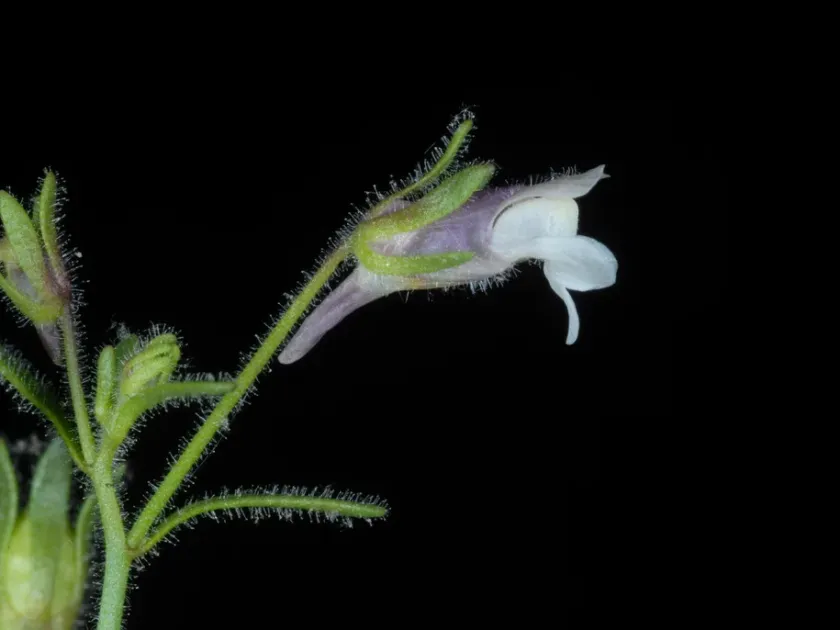
Description
Sowing dates
Sowing Chaenorhinum seeds typically occurs in early spring once soil temperatures have become consistently mild. For earlier displays, starting seeds indoors during late winter is highly effective.
The seeds require light for germination and should be sown on the surface of a fine, well-draining seed-starting mix. Avoid covering the seeds with too much soil to ensure optimal light exposure.
Once the seedlings have reached a sufficient size with a few true leaves, they should be pricked out into individual cells or small pots to promote a healthy root system development.
Transplanting into the garden should only take place after the last spring frost. Proper spacing is essential to ensure adequate airflow and prevent the development of moisture-related issues.
In regions with milder winters, direct sowing is possible; however, successful establishment depends heavily on maintaining consistent soil moisture until the plants are well-rooted.
Growing requirements
Chaenorhinum thrives in full sun exposure, which is necessary for maintaining compact, sturdy growth and encouraging prolific flowering throughout the growing season.
The plant performs best in light, sandy, or loamy soils that possess excellent drainage. It is notoriously intolerant of waterlogged conditions, which can quickly lead to root rot.
Watering requirements are moderate. It is best to allow the soil surface to dry out slightly between waterings, rather than keeping the growing medium constantly saturated.
Nutritional needs are relatively low. Over-fertilization, especially with high-nitrogen formulas, can lead to excessive foliage growth at the expense of flower production.
As a member of the Plantaginaceae family, Chaenorhinum adapts well to various garden conditions if the soil structure remains loose and well-aerated throughout the summer months.
Main diseases and pests
Root and crown rots are the most significant threats to Chaenorhinum, usually triggered by poor drainage or excessive irrigation practices that prevent soil from drying adequately.
Fungal issues, such as powdery mildew, may occur if the plants are crowded or if there is poor air circulation around the foliage during humid weather conditions.
Pests like aphids and spider mites may occasionally infest the plants, causing distorted foliage and reduced vitality. Early detection and intervention are key to managing these populations.
Integrated pest management, including physical removal or the use of appropriate insecticidal soaps, is often sufficient to control minor outbreaks of garden pests.
Maintaining a healthy, well-weeded growing area significantly reduces the pressure from both environmental stressors and potential pathogens, ensuring a long-lasting bloom.