
Alpine Besseya
Besseya alpina
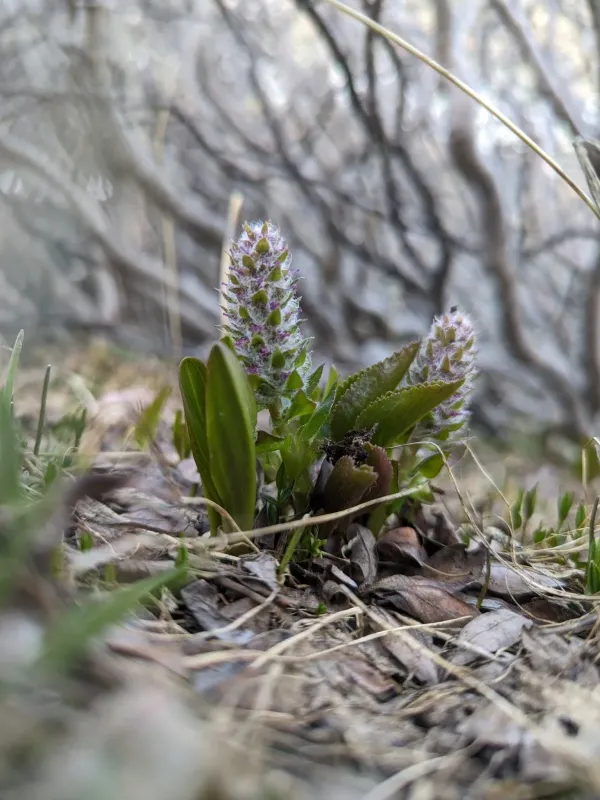
Description
Growing requirements
Alpine Besseya (Besseya alpina) is a perennial herbaceous plant belonging to the Plantaginaceae family. It is native to the high-elevation alpine regions of the Rocky Mountains in North America.
The plant is perfectly adapted to harsh high-altitude conditions, typically thriving on rocky outcrops and open, exposed slopes. It exhibits high cold tolerance and can sustain growth in cooler climates, making it a prized specimen for specialized rock gardens.
Successful cultivation requires well-draining, sandy, or rocky soil substrates with a neutral to slightly acidic pH level. Waterlogging is detrimental to the plant and often leads to root death if the substrate remains saturated.
The culture thrives under intense sunlight, although it may benefit from light shading during the peak afternoon heat in warmer growing zones. It does not tolerate high humidity combined with excessive summer heat.
Agricultural management should aim to simulate alpine conditions, particularly diurnal temperature fluctuations. Watering must be kept moderate and strictly monitored during the plant's natural dormancy phase.
Main diseases and pests
The primary threats to Besseya alpina are fungal pathogens, such as crown and root rot, which typically arise from improper soil aeration or excessive moisture accumulation around the base of the plant.
Common pests for alpine species in artificial settings include spider mites, which may infest the foliage if the plant is kept under glass or in environments with very low air humidity levels.