
Broad-leaved snapdragon
Antirrhinum latifolium
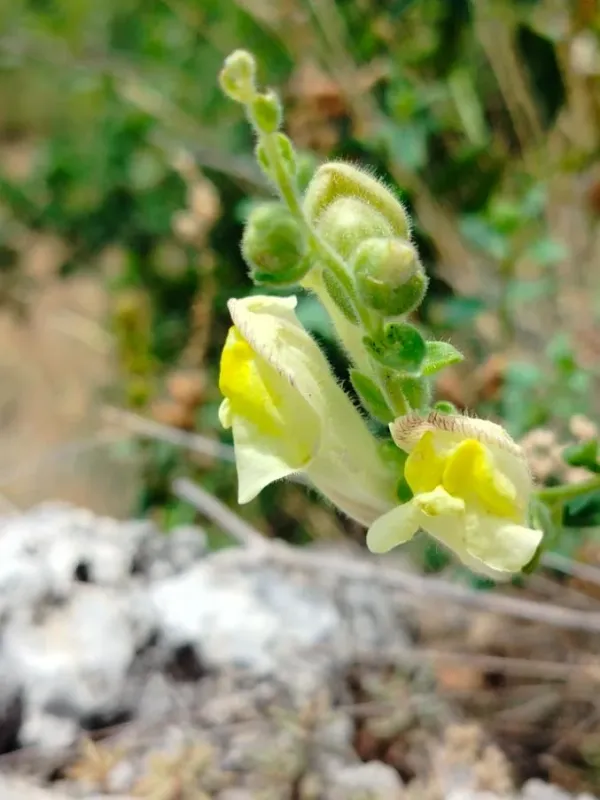
Description
Sowing dates
Broad-leaved snapdragon, botanically known as Antirrhinum latifolium, belongs to the Plantaginaceae family. It is primarily cultivated as an ornamental crop, propagated from seeds that are typically sown in early spring under controlled indoor conditions.
Seeds are minute and should be sown on the surface of a sterile, well-draining seed starting mix. Light is essential for successful germination, so the tray should be kept in a bright location without direct, scorching sunlight.
Temperature management during the germination phase is critical, with an ideal range between 18 and 21 degrees Celsius. Maintaining consistent humidity without waterlogging the media is vital for seedling survival.
Once seedlings develop their first true leaves, they should be transplanted into individual cells to encourage robust root development. Hardening off the plants before permanent outdoor relocation is a standard agricultural practice.
For direct seeding in warmer climates, timing must align with the end of frost risk. Soil temperature should be sufficiently warmed to ensure rapid seedling emergence and to prevent fungal decay.
Growing requirements
Antirrhinum latifolium thrives in locations with full sun exposure, although it tolerates partial shade in regions with extremely high summer temperatures. The soil should be fertile and exhibit excellent drainage properties.
The optimal soil pH is neutral or slightly acidic. On heavy soils, the addition of organic compost and sand is recommended to modify texture and improve nutrient availability for the plant.
Watering requirements are moderate. The crop prefers consistent soil moisture but is highly susceptible to root rot if the soil remains saturated for extended periods, necessitating efficient drainage systems.
Regular weeding is essential during the vegetative stage to reduce competition for nutrients and water. Mulching around the base of the plant can help maintain soil temperature and moisture levels.
Nutrient management involves applying balanced, slow-release fertilizers during the growth phase. Excessive nitrogen application should be avoided as it promotes foliage growth at the expense of floral production.
Main diseases and pests
Rust (Puccinia antirrhini) is the most destructive disease affecting broad-leaved snapdragons. It presents as reddish-brown pustules and can spread rapidly under high humidity and cool temperatures.
Aphids and spider mites are common pests that colonize the underside of leaves and young stems. Integrated pest management strategies, including biological control and targeted insecticidal soaps, are effective.
Damping-off, caused by various soil-borne pathogens, is a significant threat during the seedling stage. Using sterilized soil and maintaining proper air circulation are the best preventative measures.
Powdery mildew may occur if planting density is too high. Improving airflow through proper spacing significantly reduces the incidence of this fungal disease throughout the growing season.
- Sterilize all greenhouse tools and containers.
- Remove infected debris immediately to break the disease cycle.
- Monitor for pest activity during dry, hot weather patterns.