
Antirrhinum speciosum
Antirrhinum speciosum
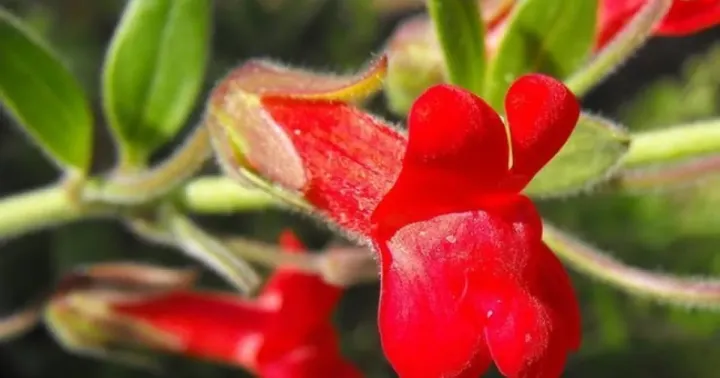
Description
Sowing dates
Antirrhinum speciosum is primarily propagated via seeds. Sowing in protected conditions should occur in late winter or early spring, maintaining a germination temperature between 18 and 20 degrees Celsius.
For optimal germination, seeds should be spread over the surface of a nutrient-rich substrate without burying them, as light is required for the process. Containers are covered with plastic until seedlings emerge, with regular ventilation provided.
Pricking out the seedlings is performed once the first pair of true leaves appears. Supplementary lighting is essential for young plants in regions with short daylight hours to ensure a robust root system development.
Transplanting hardened seedlings into open ground is carried out once the risk of spring frost has passed. Typical planting spacing is 20 by 30 centimeters, depending on the desired garden density.
In regions with a mild Mediterranean climate, direct sowing into the ground during autumn is feasible, allowing for earlier flowering in the subsequent season.
Growing requirements
This species is a perennial herbaceous plant or semi-shrub belonging to the Plantaginaceae family. In its natural habitat, it is native to the Channel Islands off the coast of California.
The plant thrives in well-lit locations with direct sunlight exposure. Growing in partial shade often leads to elongated stems, which negatively impacts the plant's overall aesthetic and flowering abundance.
Soil requirements include light, well-draining textures with a neutral to slightly acidic pH. Waterlogging in the root zone is detrimental, making effective drainage systems mandatory for clay-based soils.
While the culture exhibits moderate drought tolerance, regular watering is necessary during hot, dry periods to maintain an attractive appearance. Avoiding overhead irrigation helps prevent the development of foliage-based fungal diseases.
Fertilization should focus on complex mineral supplements with reduced nitrogen content during the flowering phase. Excess organic matter tends to promote lush vegetative growth at the expense of vibrant blossoms.
Main diseases and pests
Root rot represents a significant threat to Antirrhinum speciosum, typically triggered by overwatering. If symptoms appear, irrigation should be halted immediately and fungicide treatment applied.
Powdery mildew frequently affects leaf blades during periods of high humidity and fluctuating temperatures. Maintaining proper spacing between plants ensures natural air circulation, which acts as a primary preventive measure.
Aphids can be a common pest, feeding on sap from young shoots and developing flower buds. Prompt treatment with insecticidal soaps or specific insecticides effectively manages infestations.
Spider mites may damage the plants in conditions of extreme heat and low humidity. Providing occasional misting can help deter these pests from establishing on the foliage.
Rust is a specific disease requiring the immediate removal and destruction of affected plant parts. Regular sanitary pruning and strict adherence to crop rotation practices remain essential components of disease management.