
Antirrhinum pulverulentum
Antirrhinum pulverulentum
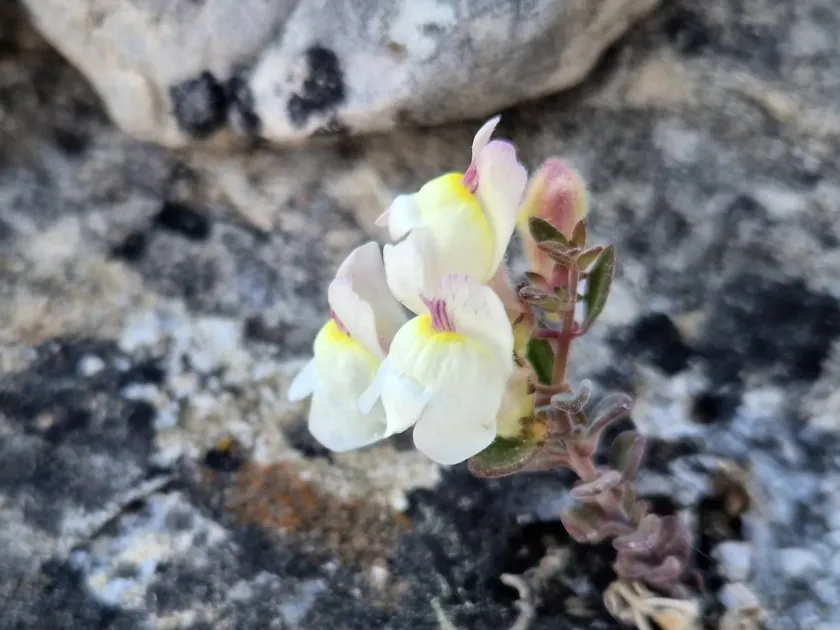
Description
Sowing dates
Sowing seeds of Antirrhinum pulverulentum is typically performed in late winter or early spring within a controlled environment, such as a greenhouse or an indoor seed tray. This ensures the seedlings have enough time to establish themselves before being transplanted outdoors.
The seeds are notably small, requiring a surface-sowing method where they are lightly pressed into a moist, well-draining substrate. Covering them with a thin layer of fine sand or vermiculite helps maintain adequate humidity without excluding the light necessary for germination.
Maintaining a stable temperature of approximately 18–20 degrees Celsius is essential for high germination rates. Once the seeds have sprouted, moving the trays to a cooler, well-lit location is critical to prevent the seedlings from becoming leggy and weak.
Pricking out the seedlings into individual pots should occur once the second set of true leaves has formed. This transition phase allows the root system to expand fully, ensuring the plant is robust enough to withstand the environmental stresses of an outdoor garden.
Outdoor transplantation should be delayed until the risk of late spring frosts has completely passed. The plants perform best when spaced adequately, allowing for sufficient air circulation, which reduces the buildup of humidity around the stems and foliage.
Growing requirements
As a member of the Plantaginaceae family, Antirrhinum pulverulentum is adapted to specific environmental conditions. It originates from mountainous terrains, which dictates its need for excellent drainage and moderate soil fertility to thrive successfully.
The soil should be light and porous, preferably with a neutral pH, as the plant is sensitive to both acidic and overly alkaline environments. Incorporating coarse sand or fine gravel into the planting medium can improve the aeration required for healthy root respiration.
Optimal growth is achieved in full sun, where the plant receives sufficient light intensity to drive photosynthesis. In shaded or low-light conditions, the plants may lose their characteristic density and show a significant reduction in flowering capacity.
While the plant possesses a degree of drought tolerance, it requires consistent moisture during the early establishment and active flowering phases. Watering should always be directed at the base of the plant to keep the foliage dry and healthy.
A balanced fertilizer applied during the early growth stages supports the development of foliage, while a phosphorus-rich supplement during the budding phase enhances the quantity and longevity of the flowers produced throughout the season.
Main diseases and pests
Fungal diseases pose the greatest threat to this species, particularly in regions where humidity levels remain consistently high. Rust, characterized by brownish spots on the leaves, is a common issue that requires vigilance and prompt action.
Powdery mildew can also affect the plant during periods of rapid temperature fluctuations, manifesting as a white, dusty layer on the leaves. Increasing spacing between plants and ensuring good airflow is the most effective preventative measure against such infections.
Pests such as aphids and spider mites can cause considerable damage by feeding on the sap of young stems and leaves. If left unchecked, these infestations can lead to stunted growth and a general decline in the plant's overall health and aesthetic appeal.
Root rot is often the result of waterlogged soil or poor drainage, which stresses the plant and leaves it vulnerable to pathogens. Ensuring that the soil structure is friable and that irrigation is managed carefully is vital for plant longevity.
An integrated approach to plant health, utilizing both prophylactic cultural practices and targeted biological or chemical treatments, is recommended. Regular inspection of the plant canopy allows for early detection of potential threats before they escalate.