
Asarina procumbens
Asarina procumbens
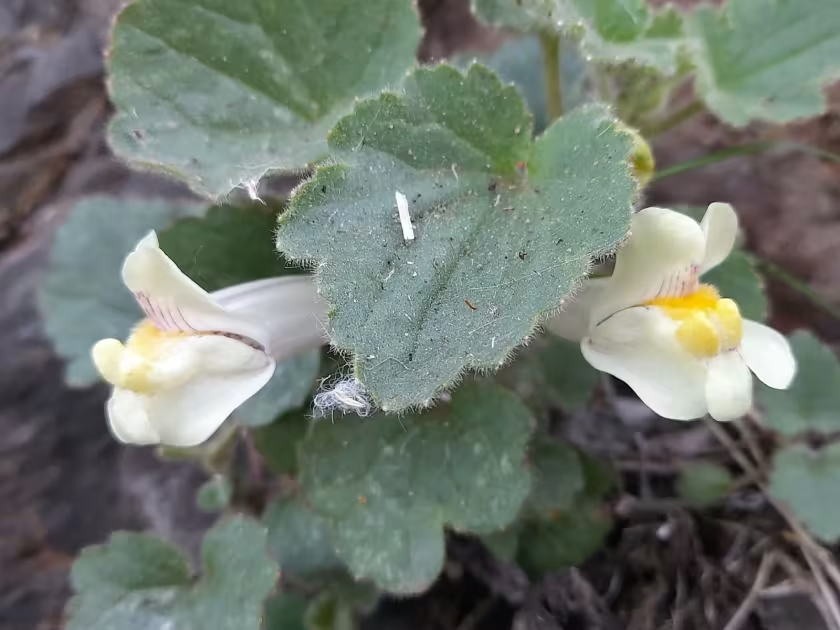
Description
Sowing dates
The sowing of Asarina procumbens seeds usually begins in late winter, specifically in February or March. Using a sterile seed-starting mix ensures the best germination results for this delicate perennial species.
Seeds should be sown on the surface of the soil, as they require light to germinate. Press them gently into the moist substrate and cover the container with a plastic lid to maintain a high humidity level.
Germination typically occurs within two to three weeks if the temperature is kept steady at approximately 20–22 degrees Celsius. During this time, keep the seed trays in a bright location but away from direct scorching sun.
Prick out the seedlings once they develop their first set of true leaves. Transplanting them into individual pots encourages a strong root system, which is vital for the plant's future development in the garden.
Acclimatization is a critical step before moving the plants outdoors. Gradually expose the young plants to outdoor conditions over a week to ensure they can withstand the environmental changes without significant transplant shock.
Growing requirements
Asarina procumbens, a member of the Plantaginaceae family, thrives in sunny locations with well-drained soil. It is native to rocky areas and mountain slopes, making it well-suited for rock gardens and wall crevices.
The soil should be light, porous, and nutrient-rich. Proper drainage is the most important factor, as the roots are highly susceptible to rot if allowed to sit in waterlogged soil during the growing season.
Water the plants regularly, allowing the top inch of soil to dry out between watering sessions. This balanced approach helps the plant maintain turgor pressure without encouraging fungal growth around the root collar.
Fertilization with a balanced, water-soluble fertilizer every two weeks promotes vigorous growth and continuous blooming. Avoid excessive nitrogen, which can lead to lush foliage at the expense of floral production.
While the plant is hardy in many climates, it benefits from light mulching in regions with cold winters. Proper spacing is necessary to ensure adequate airflow, which prevents the build-up of moisture around the stems.
Main diseases and pests
Common issues include fungal pathogens such as powdery mildew, which often appears when there is poor air circulation. Increasing spacing and ensuring the foliage stays dry helps mitigate these risks significantly.
Pests like aphids and spider mites can be problematic in hot, dry conditions. Regular inspections of the leaves and stems allow gardeners to catch infestations early and manage them effectively before damage spreads.
If chemical control becomes necessary, choose targeted insecticides or horticultural oils that are safe for use on ornamental plants. Always apply treatments during early morning or evening hours to avoid plant damage.
Maintaining a clean growing area by removing fallen leaves and debris is an excellent cultural practice to reduce the overwintering of pathogens. This simple step keeps the planting area healthy and vibrant.
Monitoring for root rot is essential if the plant shows signs of sudden wilting despite adequate watering. If root rot is detected, improve drainage immediately or replant the specimen in a more suitable, well-draining location.