
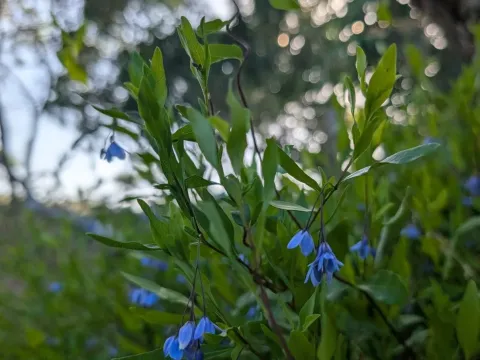
Billardiera
Billardiera
Propagation of Billardiera is achieved through seeds or stem cuttings. Seed germination is often slow, requiring a period of cold stratification for several weeks before sowing to break dormancy.
What the section contains


Billardiera
Sowing should take place in spring in a well-draining, peat-based seed mix. Maintaining a consistent temperature and high humidity is essential for the successful emergence of seedlings.
For vegetative propagation, semi-hardwood cuttings are taken during the late summer months. Using rooting hormones significantly increases the success rate of establishing new plants.
Young plants should be hardened off before moving them outdoors to ensure they adjust to local conditions. They must be protected from extreme heat or sudden temperature drops during the initial establishment phase.
Spacing should allow for adequate airflow between individual plants to prevent moisture-related fungal issues as the vine grows larger.
Billardiera belongs to the Pittosporaceae family and is native to Australia. It is a vigorous evergreen climber that thrives in mild, frost-free climates, making it an excellent choice for vertical gardening.
The plant requires well-drained, slightly acidic soil. It is intolerant of waterlogged conditions, which lead to root rot; therefore, providing a rocky or sandy substrate is highly recommended for container growth.
Structural support is critical for this species. Whether using a trellis, fence, or wall, the vine needs a firm framework to twine its shoots and maximize its potential for flowering and berry production.
Consistent irrigation is required during the growing season, especially during hot, dry spells. However, it is vital to allow the surface soil to dry slightly between watering cycles.
Partial shade is often preferred in hotter regions, while plants grown in cooler coastal climates benefit from full exposure to sunlight to boost their metabolic processes.
Common pests include scale insects and mealybugs, which are often found on the undersides of leaves or along the main stems. These pests can weaken the plant by extracting essential sap.
Fungal pathogens such as powdery mildew can occur if the plant is grown in areas with poor ventilation and high humidity. Maintaining proper spacing and pruning helps mitigate these risks.
Root rot, caused by Phytophthora or other soil-borne fungi, remains the most significant threat to the longevity of the plant, especially in heavy or poorly drained soils.
Aphids may cause damage to tender new growth during the spring season. Monitoring the tips of the vines and applying horticultural soaps is usually sufficient to manage minor infestations.
Integrated pest management, including regular inspection and the removal of dead foliage, is necessary to keep Billardiera healthy and productive throughout the year.
The fruit of Billardiera, commonly referred to as apple-berry, is harvested once it reaches full maturity. The berries soften and change color, indicating that they are ready for consumption.
Harvesting typically occurs in autumn, with fruits collected by hand to avoid bruising the delicate skin. Frequent checks are needed during the ripening phase to ensure fruits are picked at their peak.
These berries are highly valued for their unique, crisp, and slightly tart flavor. They can be enjoyed fresh, added to salads, or used as a gourmet ingredient in local culinary preparations.
Due to the short shelf life of the berries, they should be processed or consumed soon after harvesting to maintain their nutritional profile and flavor quality.
For storage, keeping the berries in a cool, ventilated container is recommended, though long-term storage is rarely possible without freezing the fruit shortly after harvest.