
Billardiera scandens
Billardiera scandens
Description
Sowing dates
Sowing seeds of Billardiera scandens is typically done in the spring when soil temperatures reach stable levels. The seeds possess a hard coat, so cold stratification for about a month is often recommended to improve germination rates.
Use a light, well-draining potting mix, such as a blend of peat, sand, and leaf mould for sowing. The seeds should be covered with only a thin layer of substrate, as they require some light exposure to trigger germination effectively.
Cover the seed trays with a transparent film or glass to maintain consistent humidity levels. Ensure adequate ventilation to prevent the development of damping-off diseases and fungal issues during the early development stage.
Seedlings usually emerge within 4 to 6 weeks. Once they are sturdy enough and have developed at least two sets of true leaves, they can be transplanted into individual pots or moved to their permanent location after the risk of frost has passed.
Vegetative propagation via semi-hardwood cuttings during the summer is also a viable method. Treat cuttings with a rooting hormone and place them in a humid greenhouse environment to encourage successful root formation.
Growing requirements
Billardiera scandens, a member of the Pittosporaceae family, is a native climber from eastern Australia. It is an evergreen woody vine that thrives best in temperate climates without extreme frost or heat.
Select a location sheltered from strong winds with exposure to bright light or partial shade. The soil should be fertile, moist, and well-draining, with a slightly acidic pH level to ensure the plant's long-term health.
Consistent watering is essential during the active growing season, but avoid waterlogging the roots, as this can lead to decay. In regions where temperatures drop below -5°C, providing winter protection or moving the plant indoors is necessary.
The vine requires a sturdy trellis, fence, or wire support to climb and spread its stems, which can reach lengths of 2 to 3 meters. Proper training helps maintain a clean, aesthetic shape and ensures better exposure to sunlight.
Fertilize the plant with a balanced slow-release fertilizer twice during the growing season to promote healthy foliage development and robust flowering.
Yield
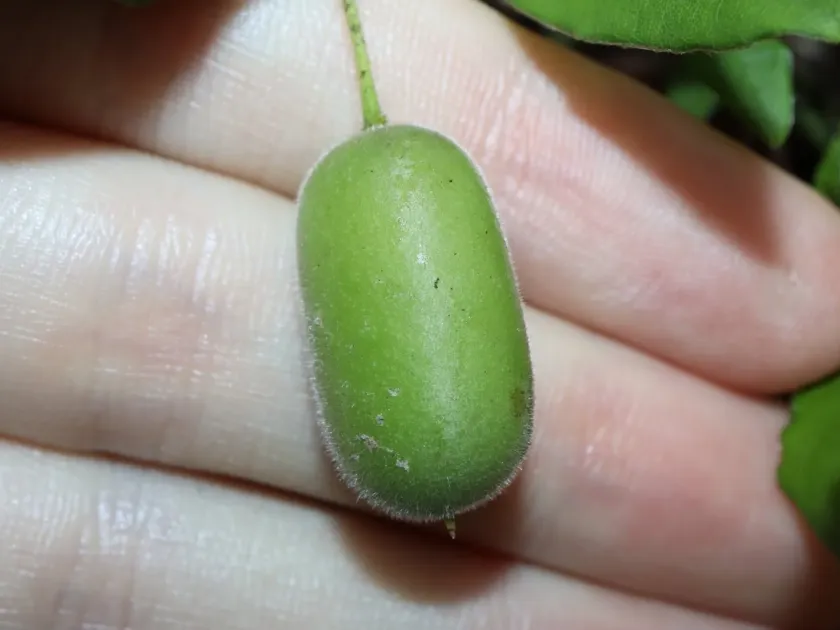
The primary horticultural interest in this plant is its edible fruit, commonly known as apple berry. The berries are cylindrical and turn a soft yellow or greenish-cream color when they are fully ripe and ready for harvest.
Yield depends heavily on the presence of local pollinators, as the plant needs insects to set fruit effectively. The ripe berries have a sweet flavor with a subtle tartness, making them a unique snack when picked fresh.
Beyond its culinary utility, the plant is highly valued for its ornamental appeal. It produces elegant, bell-shaped flowers that make it an excellent choice for vertical gardening in residential landscapes or garden trellises.
In culinary applications, the fruits can be used in jams, sauces, or as a flavorful addition to fruit salads. Always ensure the berries are fully mature, as unripe fruits can be astringent and unpleasant to the taste.
While not currently a major commercial crop, Billardiera scandens is a promising candidate for niche orchards and home gardens, particularly in Mediterranean-type climates.
Main diseases and pests
The plant is relatively resilient but can occasionally be bothered by common garden pests. Spider mites are a potential threat, especially in conditions where the air is dry or during extended periods of hot, dry weather.
Scale insects and mealybugs can occasionally infest the stems and undersides of leaves, draining the plant's energy. Systemic insecticides or manual removal with a soap solution can effectively manage these infestations.
Root rot remains the most significant threat to plant longevity, usually stemming from poor drainage or overwatering. Warning signs include yellowing leaves and a general decline in the plant's vigor.
High humidity and poor airflow in dense plantings can encourage gray mold (botrytis) on the flowers and developing berries. Preventive measures include proper spacing and regular sanitation pruning to ensure air movement.
Frequent monitoring of the vine allows for early detection of issues, ensuring that the plant stays healthy and productive throughout its growing cycle.