
Billardiera longiflora
Billardiera longiflora
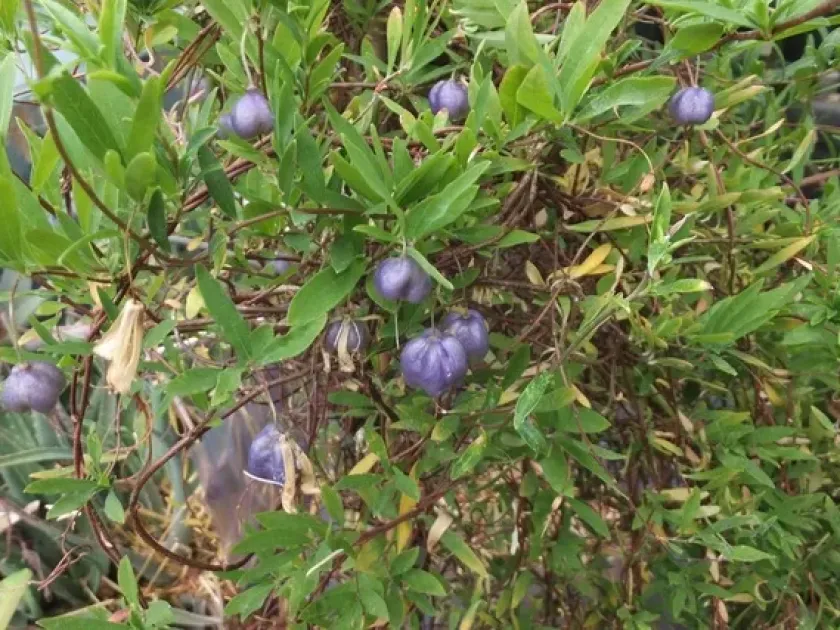
Description
Sowing dates
Propagation of Billardiera longiflora is most successful through seeds that have undergone cold stratification, mimicking the natural seasonal changes of their native habitat.
Seeds should be sown in a well-draining, peat-based mix. Maintaining a consistent temperature between 18°C and 22°C is crucial for successful germination in spring.
For those preferring vegetative methods, semi-hardwood cuttings taken during the peak of summer provide a reliable way to replicate the mother plant's traits.
When sowing, ensure that containers have sufficient drainage holes, as this species is notoriously sensitive to waterlogging during its early growth stages.
Transplanting seedlings should be done carefully to avoid disturbing the sensitive root system, which is characteristic of many members of the Pittosporaceae family.
Growing requirements
Billardiera longiflora, commonly known as the purple apple-berry, is an evergreen climbing shrub belonging to the Pittosporaceae family, native to the temperate forests of Tasmania and Australia.
The plant thrives in cool, moist, and sheltered environments. It is best suited for woodland gardens or containers where light levels can be easily controlled to prevent heat stress.
Soil requirements are specific: the plant demands acidic to neutral soil that is rich in organic matter. Adding leaf mold or compost is highly recommended for optimal health.
Adequate support, such as a trellis, wire, or wooden stake, is essential as the plant is a vigorous climber that naturally seeks upward growth towards available light.
Watering must be regular but measured; the soil should be kept moist but never saturated. During the dormant winter months, water intake should be significantly reduced.
Yield
The plant is prized for its edible, elongated berries which turn a deep purple-blue color upon reaching maturity in late summer and early autumn.
Yield depends heavily on the level of pollination and the age of the plant. A mature, well-established climber can produce a significant amount of fruit in a favorable season.
The fruits have a mild, pleasant flavor and are often used in local culinary applications, such as in jellies, jams, or eaten fresh when fully ripe.
To maximize fruit production, ensure that the plant receives adequate potassium-rich fertilization during the flowering period, which encourages fruit set.
Harvesting should occur only when the berries have fully changed color, as unripe fruit can be somewhat bitter and lack the desired sweetness.
Main diseases and pests
The primary concern for growers is root rot caused by stagnant water, which often occurs if the planting medium is too heavy or lacks proper drainage.
Pests such as aphids and scale insects may target the tender new growth during spring, requiring manual removal or application of mild horticultural oils.
Fungal issues like powdery mildew can appear if the plant is grown in conditions with poor air circulation or excessive humidity without movement.
Slugs and snails can be a nuisance for younger plants, potentially damaging the base of the stems and hindering the early development of the climber.
Regular monitoring for leaf chlorosis is important, as this often indicates that the soil pH has drifted out of the ideal acidic range, limiting nutrient uptake.
Harvesting
Harvesting is performed manually, selecting berries that have transitioned from a greenish-white shade to a vibrant, deep purple or violet color.
The harvest window is usually spread over several weeks, as fruits on a single vine may ripen at slightly different times throughout the late summer.
Care should be taken not to bruise the berries during the picking process, as their delicate skins are susceptible to damage, which reduces shelf life.
Once harvested, the fruits should be kept in a cool, dry place and consumed or processed within a few days to preserve their delicate flavor profile.
If not harvested, the fruits may persist on the vine for some time, providing an attractive decorative feature before they eventually drop naturally.