
Diplacus aurantiacus
Diplacus aurantiacus (Curtis) Jeps.
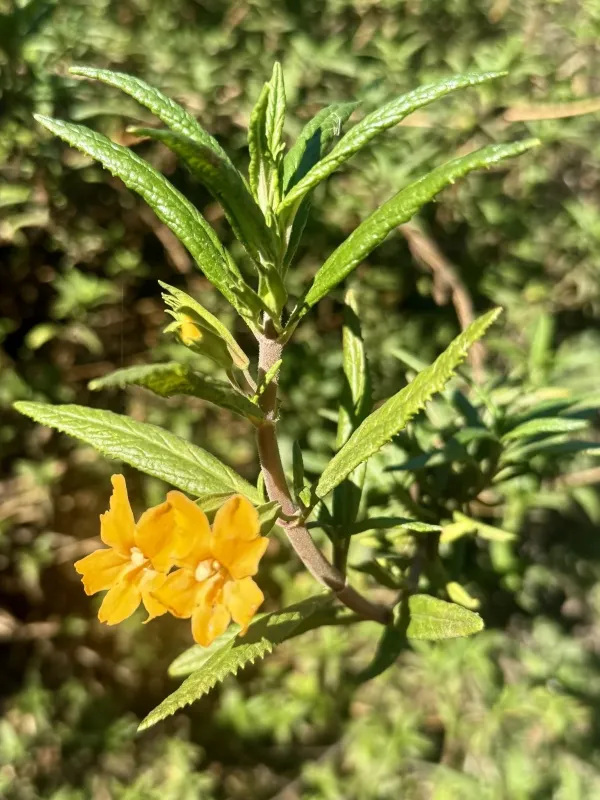
Description
Sowing dates
Sowing seeds of Diplacus aurantiacus should typically occur in late winter or early spring. The seeds are very small and require light to germinate, so they must be sown on the surface of the growing medium without covering them with soil.
Maintain a stable temperature between 18 and 22 degrees Celsius to ensure consistent germination. Using a seed tray covered with clear plastic can help retain the necessary humidity and create an ideal microclimate for the seedlings.
Once the first set of true leaves develops, transplant the seedlings into individual pots. Handle the root system with extreme care, as Diplacus plants are sensitive to disturbance and can easily succumb to transplant shock if handled roughly.
Acclimatization is essential for plants intended for outdoor life. Gradually expose the young plants to outdoor conditions over a two-week period to harden them off before placing them in their permanent growing location.
Vegetative propagation via semi-ripe cuttings is another effective method. Take cuttings in mid-summer, dip them in a rooting hormone, and plant them in a well-draining mixture until they establish a sturdy root system.
Growing requirements
Diplacus aurantiacus, belonging to the Phrymaceae family, is a versatile evergreen subshrub native to the western regions of North America. It is widely prized for its tubular, brightly colored flowers that bloom for an extended season.
The plant thrives in full sun, requiring at least six to eight hours of direct light daily. In regions with extremely hot summers, light afternoon shade may be beneficial to prevent scorching of the foliage and premature wilting of the blooms.
Soil requirements are centered on excellent drainage. Diplacus prefers gritty, sandy, or rocky soils. If your garden soil is heavy clay, it is recommended to amend it significantly with sand or volcanic rock to prevent root rot.
Watering should be balanced and moderate. While the plant possesses moderate drought tolerance once established, it requires regular moisture during the growing season to maintain its vibrant appearance and encourage continuous flowering.
Maintenance includes periodic pruning, especially after the first flush of flowers, to encourage bushier growth and prevent the shrub from becoming overly woody and sparse at the base.
Main diseases and pests
Aphids are the most common pests that affect Diplacus aurantiacus. They tend to colonize the tender tips of new growth, stunting plant development and causing curling leaves. Regular inspections and mild soapy water sprays are effective.
Spider mites can become a significant issue during hot and dry spells. These pests thrive in dry conditions and can be managed by increasing humidity around the plant and ensuring proper air circulation.
Root rot is the primary disease threat caused by poor soil drainage and overwatering. It often manifests as yellowing leaves followed by sudden wilting, indicating that the root system has failed due to moisture stagnation.
Powdery mildew may develop if the plant is kept in stagnant, humid air without adequate space for air movement. It appears as a white powdery coating on the leaves and can lead to premature leaf drop if left untreated.
To keep the plant healthy, always remove any dead or diseased foliage immediately. Providing adequate spacing between plants is a fundamental practice in preventing the rapid spread of fungal pathogens in the garden.