
Cream Cups
Platystemon californicus
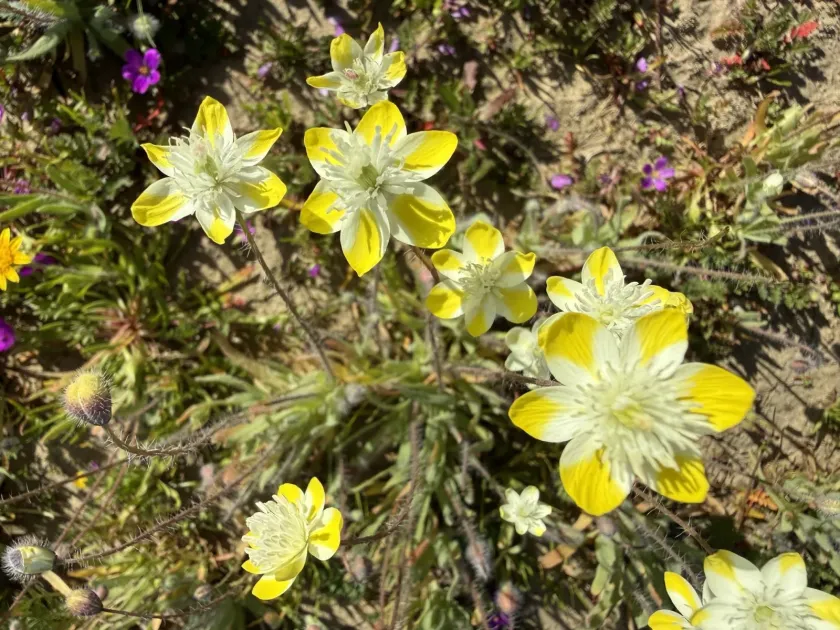
Description
Sowing dates
Platystemon californicus, commonly known as Cream Cups, is a distinct annual herb belonging to the Papaveraceae family. It is native to the western regions of North America, where it thrives in diverse open habitats.
The optimal sowing time is early spring, once the soil has warmed sufficiently. This species is best suited for direct seeding into the field as it develops a taproot that is sensitive to disturbance and transplanting.
Seeds should be sown shallowly, barely covering them with soil to allow adequate light penetration, which facilitates germination. Maintaining consistent soil moisture during the first few weeks is crucial for establishment.
Spacing should be managed to ensure adequate ventilation. Overcrowding can lead to stunted growth and increased susceptibility to environmental stressors, reducing the overall visual quality of the planting.
This crop is primarily utilized for its aesthetic value in meadow-style landscapes and pollinator-friendly gardens, contributing to the diversity of early-season bloomers.
Growing requirements
Cream Cups perform best in well-drained, sandy or gravelly soils. They are naturally adapted to nutrient-poor substrates and do not require heavy fertilization to reach maturity.
The plant is highly drought-tolerant once established, thriving in Mediterranean-type climates characterized by wet winters and long, dry, warm summers.
Full sun exposure is essential for the healthy development of this species. Partial shade may lead to weaker stems and reduced floral production over the growing season.
Soil pH preference is generally neutral to slightly alkaline, reflecting the typical conditions of its natural range across California and surrounding regions.
Minimal intervention is needed regarding irrigation; supplemental watering should be restricted only to periods of extreme and prolonged heat stress.
Main diseases and pests
The most significant threats to Platystemon californicus involve soil-borne pathogens, particularly root rot, which is triggered by poor drainage and waterlogged conditions.
Pest pressure is generally low, although aphid infestations can occur during the peak of spring growth, impacting the delicate flower buds and new foliage development.
Preventive measures include careful site selection with excellent drainage and adequate spacing to promote airflow, minimizing the environment conducive to fungal growth.
Monitoring for signs of wilting or discoloration is recommended to detect potential root issues early. Sanitation by removing infested plant debris can help manage minor pest outbreaks.
Consistent weed control in the early growth stages is vital to prevent competition for resources, which ensures that the plants remain vigorous and healthy.