
Leptopteris
Leptopteris
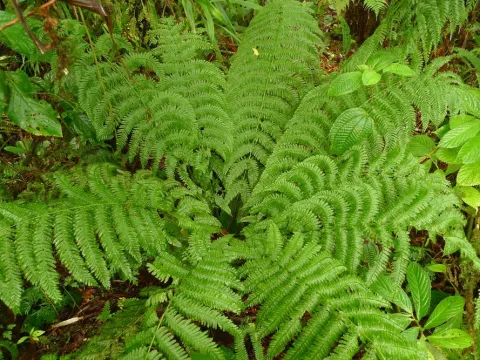
Leptopteris is a genus of ferns belonging to the Osmundaceae family. These plants are scientifically noted for their unique thin, translucent fronds, which consist of only a single layer of cells, making them some of the most delicate ferns in existence.
What the section contains


Leptopteris
Native to the temperate rainforests of New Zealand and the Pacific islands, this culture demands extreme environmental consistency. In cultivation, it cannot survive without high humidity, typically requiring a greenhouse or terrarium setting to thrive.
The soil requirements focus on a loose, moisture-retentive substrate. A mix consisting primarily of sphagnum moss and decomposed organic matter is essential. Drainage must be efficient to prevent root rot, as these ferns are highly sensitive to soil compaction.
Temperature management should prioritize moderate, stable conditions, ideally between 15 and 22 degrees Celsius. Leptopteris must be protected from direct sunlight, which can cause severe dehydration and irreversible tissue damage to its thin, sensitive leaves.
In ornamental horticulture, Leptopteris is primarily used by botanical gardens and specialist collectors. Its aesthetic value lies in its lush, lace-like appearance, which serves as a centerpiece in humid, shaded indoor botanical displays.
The primary threats include fungal infections, such as grey mold, caused by poor air circulation in confined spaces. Maintaining a gentle airflow is vital to prevent the accumulation of stagnant, humid air, which often triggers pathogenic outbreaks.
Common pests like scale insects and spider mites can attack the plants if humidity levels drop significantly. Due to the fragile nature of the foliage, chemical treatments should be avoided or applied with extreme caution; biological control is preferred.