
Cinnamon fern
Osmunda japonica
Description
Sowing dates
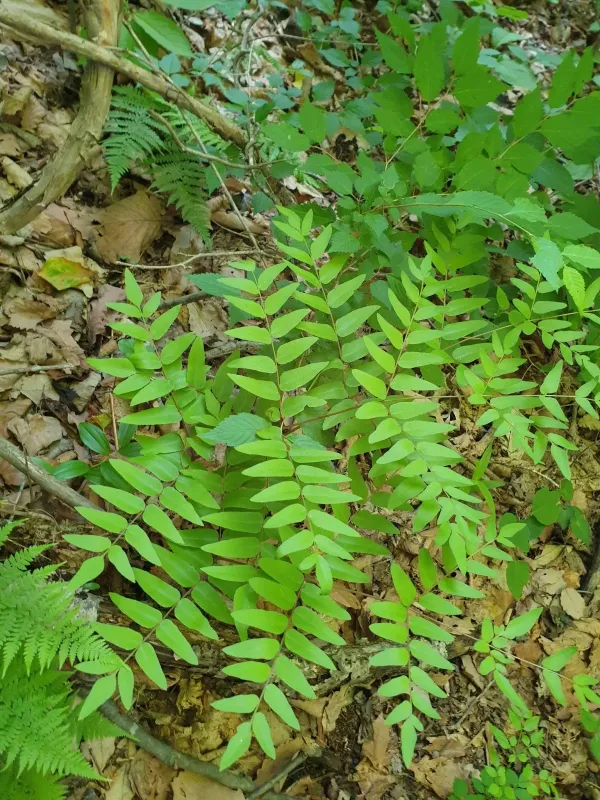
Osmunda japonica, commonly known as the Japanese cinnamon fern, is a perennial plant belonging to the Osmundaceae family, highly valued for its edible young shoots.
The propagation of this crop is primarily done via division of the rhizomes, as sporulation requires very specific and difficult to control environmental conditions.
Division should be performed in early spring or late autumn when the plant enters dormancy, ensuring the segments have enough energy to establish root systems.
Optimal planting spacing is between 40 and 50 centimeters, providing enough root space for the rhizomes to expand over several years of cultivation.
When establishing a new plot, it is essential to ensure that the rhizomes are buried at an appropriate depth in moist, humus-rich organic soil.
Growing requirements
This species requires a consistent moisture level throughout the growing season, mimicking its natural habitat in forest edges and wetland fringes.
The soil should be slightly acidic and rich in organic matter, ideally imitating a forest floor with a deep layer of decaying leaves or compost mulch.
Exposure to direct sunlight is detrimental to the plant; therefore, it thrives best in semi-shaded areas with filtered or indirect morning light.
Temperature control is crucial; the plant prefers cool, temperate climates and should be shielded from extreme heat and dry winds that cause leaf scorch.
Good soil aeration is necessary to prevent root rot, yet the balance must be maintained to keep the medium consistently damp without waterlogging.
Yield
The edible part of the plant consists of young, tightly coiled fronds, often harvested when they reach a height of approximately 15 to 20 centimeters.
Yields are maximized when the plants are maintained in vigorous health, with mature clumps producing numerous shoots during the early spring season.
Sustainable harvesting involves taking only a portion of the available shoots, leaving enough for the plant to recover and photosynthesize during the summer.
Proper management of the plot can sustain production for over a decade, provided that the soil fertility is replenished annually with organic amendments.
Quality control is based on the tenderness of the fronds; once the coil begins to unfurl, the shoot becomes fibrous and less suitable for human consumption.
Main diseases and pests
Slugs and snails are the primary pests that can significantly damage young, emerging shoots if left unchecked during the moist spring period.
Fungal infections in the rhizomes are common when the drainage is insufficient, often appearing as dark, rotting patches in the base of the plant.
Environmental stress, particularly drying out during the peak of summer, can stunt the plant growth and lead to susceptibility to diseases.
Weeds can compete aggressively for nutrients, so keeping the area around the ferns clear is a standard requirement for high-yield plantations.
Preventative measures should focus on maintaining a clean growing environment and monitoring for early signs of leaf damage or yellowing fronds.
Harvesting
Harvesting is performed manually in the early morning hours to ensure that the shoots are turgid and have the highest quality for fresh consumption.
Each shoot must be cut carefully at the base without damaging the central bud of the rhizome to ensure future growth for the next season.
Post-harvest handling is critical: shoots should be cleaned of their protective scales or woolly coating and kept cool to prevent oxidation and browning.
Short-term storage requires refrigeration, as the high water content of the tender shoots makes them highly perishable and prone to rapid wilting.
For commercial use, quick processing techniques such as blanching or drying are often employed to maintain the nutritional value and marketability of the fern.