
Ruellia ciliatiflora
Ruellia ciliatiflora
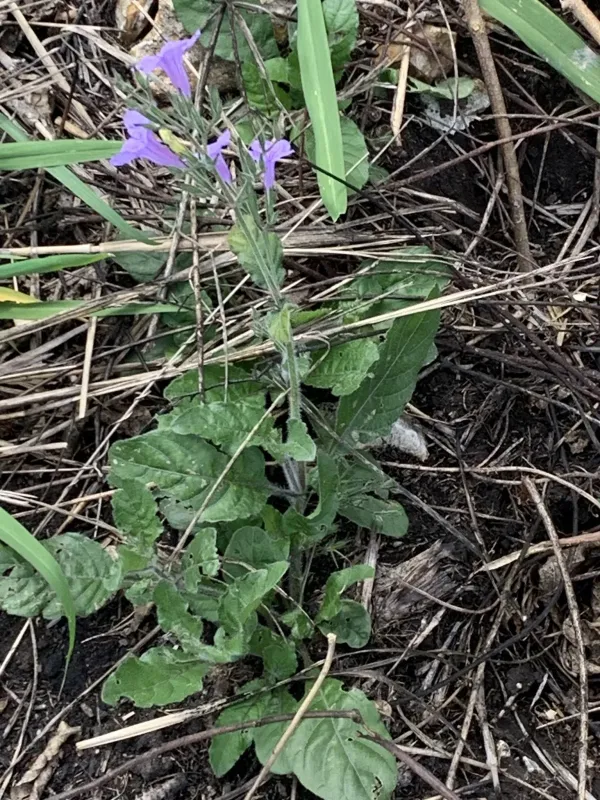
Description
Growing requirements
Ruellia ciliatiflora is a perennial flowering plant belonging to the Acanthaceae family. Originating from South American ecosystems, it is recognized for its unique floral morphology and adaptability to warm climates as an ornamental crop.
The crop requires well-drained, nutrient-rich soil to support its rapid development during the growing season. A substrate composed of peat, perlite, and organic compost is recommended to ensure optimal moisture retention while preventing root asphyxiation.
Environmental conditions are critical for Ruellia ciliatiflora, which thrives best in bright, indirect light. Excessive direct solar radiation can damage the foliage, while insufficient light leads to stem etiolation and a significant decrease in flower production.
Temperature management is a primary aspect of its agronomy. As a tropical species, it demands consistent thermal conditions between 20 and 26 degrees Celsius. It is highly sensitive to frost, which makes it unsuitable for outdoor cultivation in temperate regions without seasonal protection.
Hydration protocols must be balanced. The plant requires regular watering, allowing the top layer of the substrate to dry slightly between sessions. Over-irrigation is the leading cause of plant failure, particularly when the ambient temperature is below the optimal threshold.
Main diseases and pests
The most prevalent threats to this species include fungal infections such as root rot and Botrytis, which thrive in poorly ventilated environments. Maintaining proper air circulation is essential for the long-term health of the plant population.
Pest management focuses on controlling spider mites, whiteflies, and aphids. These pests can rapidly infest the plant canopy, necessitating integrated pest management strategies, including biological controls or targeted chemical interventions to protect the crop.