
Leptopteris hymenophylloides
Leptopteris hymenophylloides
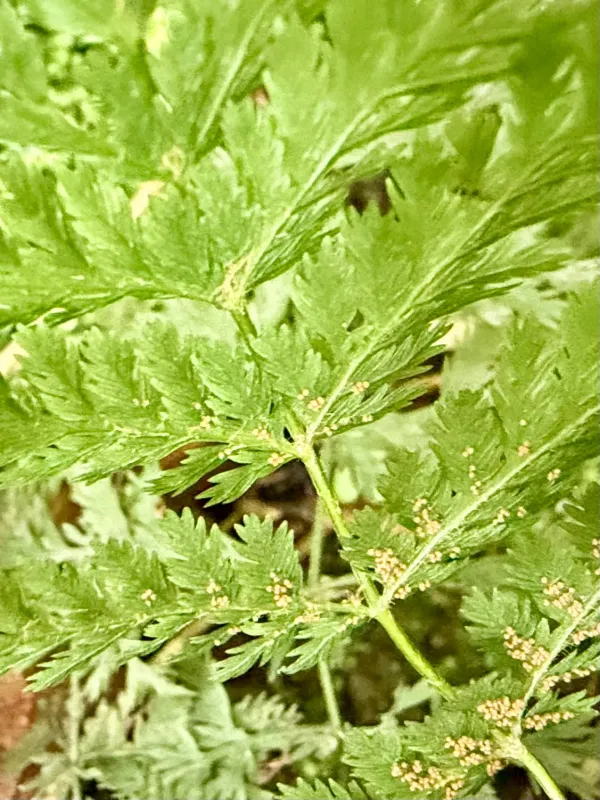
Description
Growing requirements
Leptopteris hymenophylloides is a member of the Osmundaceae family and is commonly known as the crepe fern. This species is native to New Zealand, primarily found in humid, shaded forest environments and near streams.
The cultivation of this plant requires a highly controlled microclimate with relative humidity consistently maintained above 80%. It is strictly an indoor or greenhouse plant that thrives in sheltered conditions away from drafts.
Temperature requirements are stringent, favoring a cool, temperate range between 15°C and 20°C. Avoiding exposure to direct heat or freezing temperatures is essential for the plant's survival and long-term health.
The root system requires a specialized, well-draining substrate rich in organic matter, such as high-quality peat mixed with perlite or fern fiber. Proper aeration of the potting medium is just as vital as maintaining its moisture.
Lighting should be diffused and low-intensity. Since the fronds are thin and delicate, direct sun exposure will quickly cause severe tissue damage, requiring the use of shade cloth in most greenhouse applications.
Main diseases and pests
The primary threats to Leptopteris hymenophylloides include fungal pathogens that manifest as stem and root rot, usually exacerbated by poor air circulation or over-saturation of the potting mix.
Pests such as spider mites are significant problems, especially if the ambient humidity levels drop below the threshold required by the fern. These mites feed on the underside of the delicate fronds, leading to stippling and necrosis.
Management of these threats involves proactive cultural practices, such as maintaining cleanliness in the growing area and ensuring that foliage stays dry while air moves freely around the plant base.
If an infestation occurs, physical removal or the application of mild, non-toxic horticultural soaps is preferred over harsh synthetic pesticides, which the plant is highly sensitive to.
Consistent monitoring of the frond health and root zone allows for early detection of issues, which is critical given the slow growth rate of this rare botanical species.