
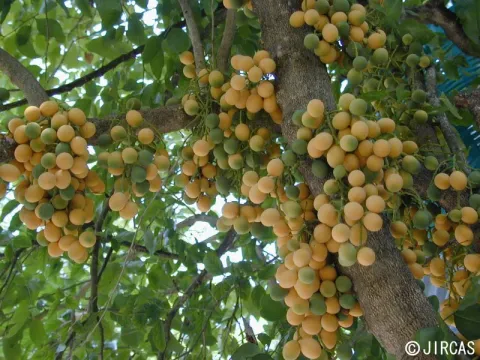
Melientha
Melientha
Melientha, specifically the species Melientha suavis, is propagated primarily by seeds in nursery conditions. Sowing is carried out in prepared containers with nutrient-rich substrate, ensuring stable moisture and temperature levels, as germination requires a tropical climate.
What the section contains

Melientha
Transplanting young seedlings to their permanent location is performed once they reach the 4-6 true leaf stage. It is important to note that the crop is sensitive to root system disturbance, therefore the transfer method, keeping the soil ball intact, is mandatory.
In its natural habitat, the tree can reach significant heights, so when establishing plantations, it is necessary to follow a planting scheme that ensures sufficient light for each individual plant.
The optimal time for planting seedlings in the field is the onset of the rainy season, which allows the plant to adapt to new conditions and take root before the intense heat begins.
In industrial settings, the seed material requires pre-treatment to improve germination rates, as the hard seed coat can limit the speed of embryo emergence.
The culture belongs to the Opiliaceae family and is a typical representative of the tropical flora of Southeast Asia. It prefers well-drained, fertile soils with high organic matter content.
The plant shows a high dependence on solar radiation, but in its youth, it requires light shading that mimics conditions under the forest canopy. The temperature range should remain between +22 and +30 degrees Celsius throughout the growing season.
Melientha requires regular moisture; however, water stagnation in the root zone is extremely detrimental to root system development and can lead to the progression of rot processes.
Soil acidity should be close to neutral. When growing on depleted soils, the application of complex organic fertilizers that support the microbiological activity of the soil is recommended.
In regions with a distinct dry season, a drip irrigation system must be organized to avoid stress-induced leaf drop, as the leaves are the main commercial part of the crop.
The main value of the plant lies in its young leaves and shoots, which possess a specific aroma and taste. Productivity depends on the age of the tree and the intensity of pruning measures performed.
Intensive pruning stimulates the active growth of young shoots, which allows for harvesting several times per season. The yield from a single mature tree can reach several kilograms of greens per year.
Harvesting is done manually, which eliminates mechanical damage to the delicate leaf tissues and extends their shelf life after collection.
Commercial sale of the harvest is oriented toward fresh produce markets, where Melientha leaves are valued as a gourmet delicacy in the national cuisine of many countries in the region.
With proper agronomic practices, the tree is capable of maintaining high productivity for many years, making it a promising object for perennial agroforestry systems.
The main threat to Melientha comes from various species of leaf-eating insects, which in hot climates are capable of quickly destroying the delicate vegetative mass of the plant.
Fungal diseases, caused by excessive humidity and poor ventilation, can affect both the leaf blade and shoots, provoking the appearance of spots and necrosis.
Under drought conditions, spider mite infestation is possible, which sucks sap from the leaves, leading to their deformation and premature falling.
For pest control in agricultural holdings, preference is given to biological protection methods, as Melientha leaves are consumed without prolonged heat treatment.
Monitoring the state of the plantings should be carried out weekly, especially during seasonal changes when sharp fluctuations in temperature and air humidity are observed.
Harvesting Melientha is selective in nature, requiring staff to possess skills in recognizing the optimal maturity stage of shoots suitable for human consumption.
Leaves are cut along with young stems early in the morning or late in the evening when the moisture content in the tissues is maximal, which prevents rapid wilting of the product.
After collection, the greens must be cooled as quickly as possible and packed into moisture-retaining containers to preserve their market appearance and taste qualities.
To extend shelf life, specialized thermal bags or refrigeration units with temperatures around +8–10 degrees Celsius are used, avoiding direct freezing.
Harvesting regularity also serves as a method of forced canopy formation, preventing excessive tree stretching and facilitating access to new portions of the harvest in the future.