
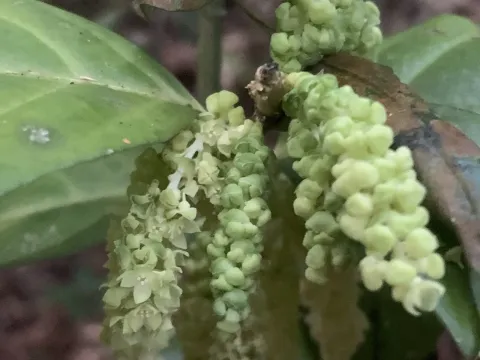
Lepionurus
Lepionurus
Lepionurus is a genus of shrubs belonging to the Opiliaceae family. These plants are native to the tropical forests of Southeast Asia, where they thrive in warm and humid environments.
What the section contains

Lepionurus
The climate requirements for Lepionurus involve consistent temperatures without significant seasonal drops. The plant performs best in tropical climates where high humidity levels are maintained throughout the year.
Soil requirements focus on well-drained, nutrient-rich substrates. It is essential to ensure that the soil remains moist but never waterlogged to prevent root complications during the vegetative stage.
Regarding light, Lepionurus prefers partial shade or dappled sunlight. Full exposure to intense direct sunlight can be detrimental, especially to younger plants that are still establishing their root systems.
In terms of agricultural utility, the plant is primarily valued for its young shoots and leaves. Local communities utilize these parts as a vegetable source, often prepared in traditional dishes for their specific flavor profile.
The primary threats to Lepionurus crops include root-rot fungi, which typically develop in poorly drained soils. Improving soil aeration is a critical step in managing these plant health issues effectively.
Pests like aphids and spider mites are common during dry spells. These insects thrive in dry conditions and can cause significant foliage damage if left unchecked by integrated pest management strategies.
Leaf-eating larvae can impact the quality of the harvestable green biomass. Periodic monitoring of the field is necessary to identify early signs of infestation and prevent widespread damage to the plantation.
Nutrient deficiencies, specifically in trace minerals, may cause chlorosis. Maintaining a balanced soil pH and providing appropriate organic amendments are key practices for sustainable cultivation.
Preventing diseases also requires strict sanitation of gardening tools to avoid transmitting pathogens between plants. Keeping the site clear of diseased plant debris is a foundational practice for healthy growth.