
Melientha suavis
Melientha suavis
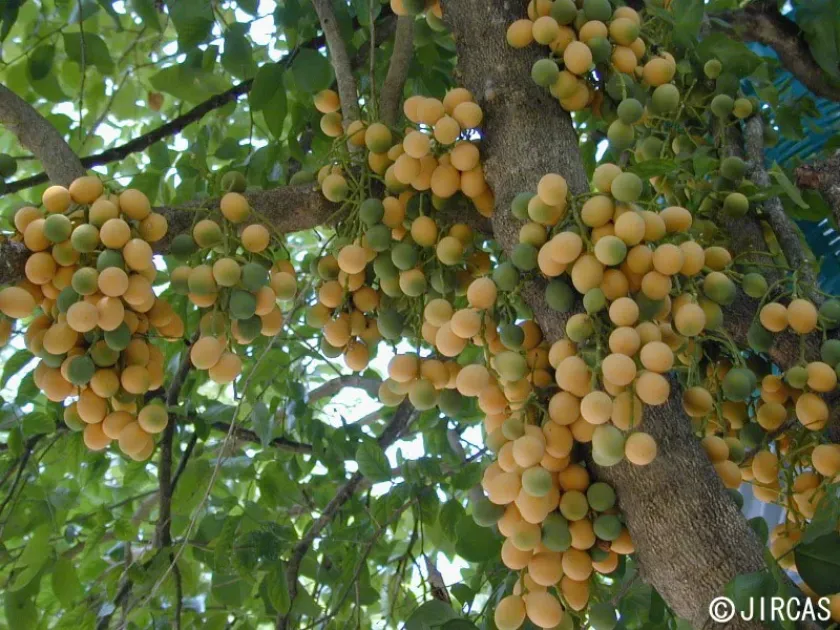
Description
Sowing dates
Melientha suavis is a perennial tree species belonging to the Opiliaceae family. It naturally grows as an understory tree in tropical environments, characterized by a steady but slow initial developmental phase.
Propagation is primarily achieved through seeds. For successful germination, seeds should be sown in a well-draining, nutrient-rich potting mix while maintaining high humidity levels at a temperature ranging from 25 to 30 degrees Celsius.
Fresh seeds are essential for successful sowing as they lose their viability relatively quickly. Seedling emergence can be staggered over several weeks, requiring careful monitoring.
In a controlled cultivation setting, providing shade for the initial growth stages is critical to mimic the natural forest floor conditions and prevent dehydration of the young plant.
The transition to permanent plantation soil should be done carefully to avoid transplant shock, ensuring the roots are well-established before moving to outdoor conditions.
Growing requirements
This species is native to Southeast Asian tropical forests, requiring a warm climate with stable temperatures and significant annual rainfall. It does not tolerate frost or cold stress.
Soil requirements involve well-drained, fertile substrates with high organic content. The species thrives in soils that maintain consistent moisture without becoming waterlogged.
Light management is crucial; young plants require filtered or partial shade, while mature trees can tolerate more exposure. Overexposure to direct sunlight can lead to chlorosis and stunted growth.
Atmospheric humidity is a major factor in plant vigor. In regions with dry seasons, supplementary misting or irrigation is necessary to maintain the succulent nature of the edible leaves.
Proper aeration of the soil is vital for the root system, as the species is highly susceptible to root decay if the substrate becomes compact or poorly drained.
Yield
The economic yield of Melientha suavis consists of its young shoots, leaves, and tender flower buds. These parts are highly valued for their unique taste and are a staple in traditional regional cuisines.
Yield management involves selective pruning, which encourages the production of new vegetative growth. This technique is the most efficient way to maximize the harvest throughout the active season.
The manual collection of harvests requires precision to avoid damaging the tree's branches. A healthy adult tree, when properly maintained, provides a steady supply of high-quality produce.
Fertilization with nitrogen-rich organic inputs can significantly increase the total biomass production. Balancing vegetative growth with the tree’s overall health is key to sustainable production.
Seasonal patterns dictate the timing and volume of the yield, with the most abundant harvests often occurring following periods of new growth stimulation.
Main diseases and pests
Melientha suavis faces challenges from various tropical pests, including aphids and spider mites, which specifically target the tender young leaves, reducing their commercial value.
Fungal pathogens represent a major threat in humid climates, particularly causing leaf spots and potential dieback if circulation is inadequate. Proper orchard hygiene is mandatory.
Root rot is the most devastating issue, typically resulting from poor water management or heavy soil. Regular inspection of the root zone and soil health is essential.
Invasive insects that bore into the wood can weaken the structural integrity of the tree. Implementing an integrated pest management (IPM) strategy helps mitigate these risks.
- Infestations by sap-sucking insects.
- Leaf-spot diseases caused by fungi.
- Susceptibility to waterlogged soil conditions.
Harvesting
Harvesting Melientha suavis is a delicate process requiring attention to the maturity of the shoots and buds. The best quality is achieved by picking them when they are young and succulent.
Early morning harvests are recommended to maintain the freshness and crispness of the leaves, as the moisture content is highest before the heat of the day.
Post-harvest care involves keeping the product cool and protected from direct sunlight or drying winds to prevent rapid wilting and degradation of quality.
Packaging should be designed to allow for gentle airflow while maintaining necessary moisture to extend the shelf life of this highly perishable crop.
Quality grading happens at the source, ensuring that only the most tender and flavorful parts reach the market, maintaining the prestige of the ingredient.