
Picconia azorica
Picconia azorica
Description
Growing requirements
Picconia azorica, commonly known as the Azores wood, is an evergreen tree species belonging to the Oleaceae family. It is an endemic plant native to the Azores archipelago, flourishing in oceanic, mild climates.
The species prefers environments with consistent moisture and protection from harsh, drying winds. Due to its island origin, it thrives in regions with low temperature fluctuations throughout the year, as it lacks significant frost tolerance.
Cultivation requires well-drained, fertile soil with a neutral to slightly acidic pH. Proper drainage is essential to prevent waterlogging, which the plant is highly sensitive to, especially when grown in containers or restricted areas.
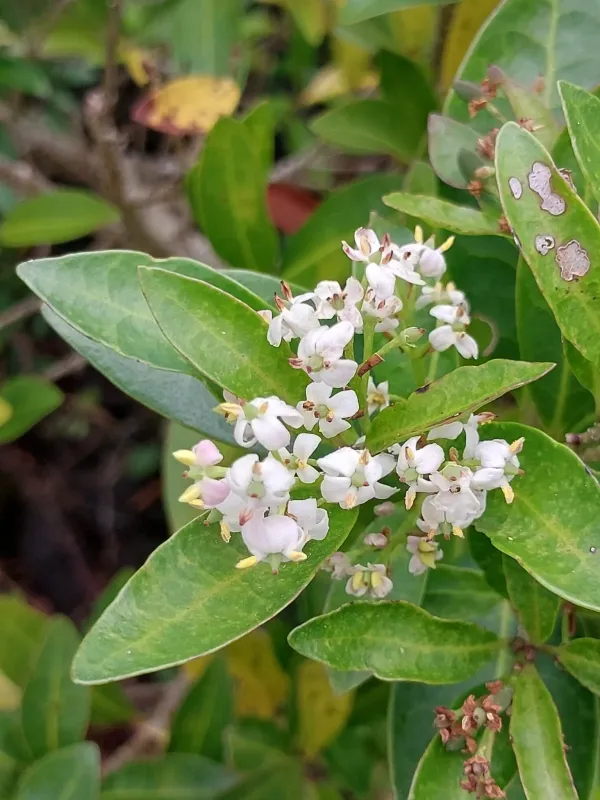
Botanically, it presents as a shrub or small tree with dense, leathery foliage. Its inflorescences consist of small, fragrant white flowers that are typical for the olive family, providing a distinct ornamental value to landscape designs.
In modern practice, its use is primarily focused on ornamental horticulture and the conservation of rare island flora in botanical gardens. Historical uses of its wood for crafts have largely been replaced by its value as an ornamental specimen.
Main diseases and pests
The primary threats to Picconia azorica involve fungal pathogens that thrive in conditions with poor air circulation or excessive soil moisture. Maintaining a well-ventilated environment is critical for disease prevention.
Insect pests, particularly scale insects and mealybugs, are common threats to this species. They can weaken the plant by feeding on sap and are often found hiding on the undersides of the dense, leathery leaves.
Root rot is a major physiological challenge, usually caused by over-irrigation or inadequate soil structure. Using specialized substrates that allow for aeration around the root zone helps mitigate these risks significantly.
Leaf drop can occur due to sudden changes in environmental humidity or light levels. Ensuring a stable indoor or greenhouse climate helps the plant remain healthy and maintains its evergreen appearance throughout the season.
Regular monitoring for early signs of infestation and fungal growth is a standard agricultural practice for this species. Prompt intervention with appropriate fungicides or horticultural oils is usually effective if caught early.