
Guapira opposita
Guapira opposita
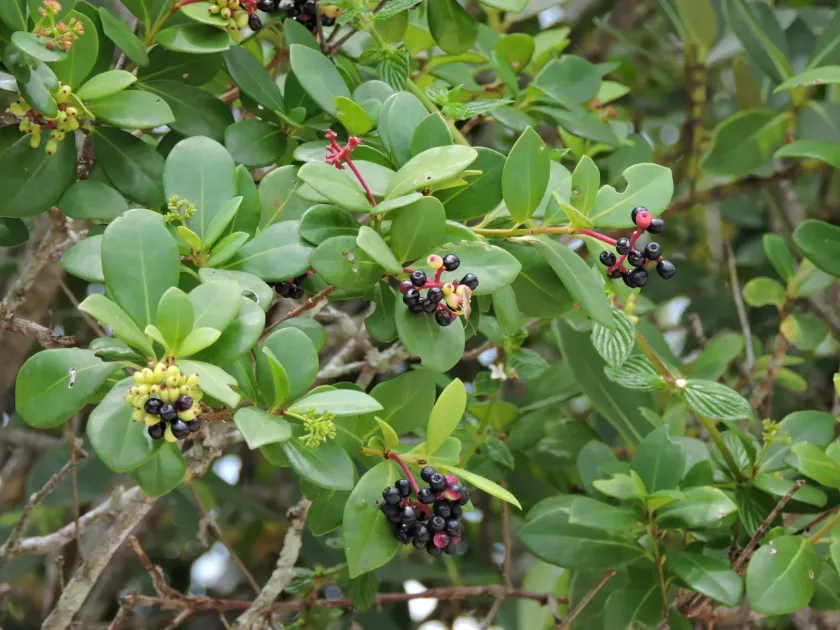
Description
Growing requirements
Guapira opposita is a resilient evergreen tree species belonging to the family Nyctaginaceae. Native to the Atlantic forests of South America, this plant is well-regarded for its dense foliage and unique opposite leaf arrangement, which gives it a distinct appearance in tropical landscapes.
The culture thrives best in well-drained, nutrient-rich soils that mimic its natural habitat. It requires a stable tropical climate with ample sunlight, though it possesses a remarkable ability to adapt to partial shade during its initial growth phases in denser forest environments.
Agrotechnical management primarily involves monitoring soil moisture to prevent waterlogging while ensuring consistent hydration during dry periods. Adding organic mulch around the base of the plant can help maintain soil temperature and moisture levels, fostering healthier growth.
In terms of agricultural and ecological utility, Guapira opposita is often used for habitat restoration and as a shade tree in agroforestry systems. Its ability to grow in varied conditions makes it a valuable asset for local biodiversity conservation and sustainable land management.
Furthermore, research indicates that various parts of the plant are studied for potential pharmacological benefits due to the presence of specific secondary metabolites. Proper pruning and care are essential to maintain the structural integrity and health of the tree throughout its life cycle.
Main diseases and pests
The primary threats to this species include fungal leaf spots caused by excessive humidity and poor air circulation within the canopy. These issues are most prevalent in regions with prolonged rainy seasons where humidity levels remain consistently high.
Insect pests, specifically scale insects and mealybugs, are known to affect the vigor of the plant by draining sap from young stems. Integrated pest management, focusing on early detection and manual removal, is recommended to keep these populations under control without relying on harsh chemicals.