
Guapira fragrans
Guapira fragrans
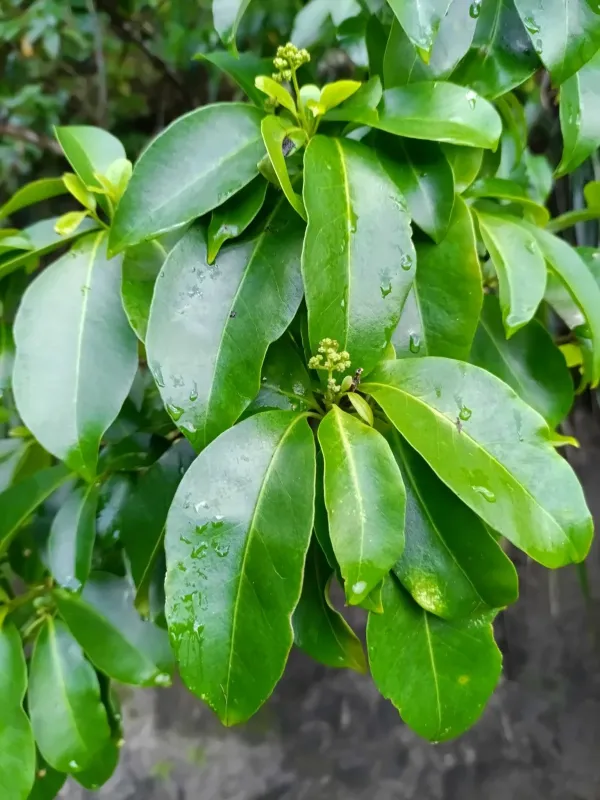
Description
Sowing dates
Guapira fragrans is a tree species belonging to the Nyctaginaceae family, native to tropical environments. In its natural habitat, seed dispersal and germination are timed with the onset of the rainy season to ensure seedling survival.
When cultivating in nurseries, seeds should be sown immediately after collection to maximize their viability. The optimal temperature for seed germination ranges from 25 to 28 degrees Celsius, requiring a consistent moisture level in the substrate.
Young seedlings are sensitive to direct, high-intensity sunlight and require partial shading during their initial stages of development. It typically takes between 6 to 12 months to prepare a sapling for permanent transplanting.
Vegetative propagation via cuttings is a viable alternative to seed sowing, allowing for the preservation of desirable plant traits. Using root-promoting hormones can significantly increase the success rate of rooting.
Planting in the field is ideally conducted at the beginning of the rainy season to allow the root system to establish itself before the onset of drier conditions, minimizing transplant shock.
Growing requirements
Originating from the tropical regions of Central and South America, this species thrives in environments with high temperatures. It prefers open, sunny locations but can tolerate partial shade, especially when young.
Well-drained soil is a critical requirement for this species. It does not tolerate waterlogging, so planting on raised beds or areas with good natural drainage is recommended to prevent root-related issues.
The plant performs best in soils with a pH ranging from slightly acidic to neutral. Ensuring the soil is rich in organic matter will promote healthy growth and strong woody development.
Climatic requirements necessitate a frost-free environment. While the plant can withstand brief dry spells, regular irrigation is essential during periods of active vegetative growth to maximize biomass production.
Maintaining a regular fertilization schedule during the growing season with a balanced NPK fertilizer supports overall vigor and helps the plant withstand potential abiotic stress factors.
Main diseases and pests
Fungal diseases affecting the leaves are common, especially in environments with high humidity and poor air circulation. Regular pruning to thin the canopy is a standard preventive measure against these pathogens.
Pests such as aphids and scale insects are known to feed on the sap of tender young shoots. Integrated pest management, including biological controls, is effective in maintaining these populations at low levels.
Root rot is a significant risk associated with waterlogged conditions. Ensuring proper drainage is the most effective way to avoid this problem, supplemented by fungicide treatments if the infection is identified early.
Defoliating insects can occasionally cause damage to the foliage during the peak growing season. Regular monitoring of the canopy health is necessary to mitigate large-scale damage to the tree's photosynthetic apparatus.
Maintaining appropriate tree spacing during planting improves airflow and reduces the risk of disease spread, contributing to the overall health and productivity of the Guapira fragrans stand.
Harvesting
The primary utility of Guapira fragrans lies in its ornamental value, particularly due to its fragrant flowers, which enhance the aesthetic appeal of gardens and urban landscapes.
The wood of this tree is utilized in local construction and small-scale timber production. It possesses moderate durability, making it suitable for artisanal crafts and basic wooden structures.
The fruit of the tree acts as a vital food source for local bird populations, playing an important role in supporting biodiversity within agroforestry systems.
Historically, various parts of the plant have been utilized in traditional medicine, although modern applications require careful scientific verification and adherence to safety protocols regarding usage and dosage.
For those involved in propagation, harvesting seeds for future planting requires careful timing; seeds should be collected only when the fruits have reached full maturity to ensure the highest germination potential.