
Hairy four-o'clock
Mirabilis hirsuta
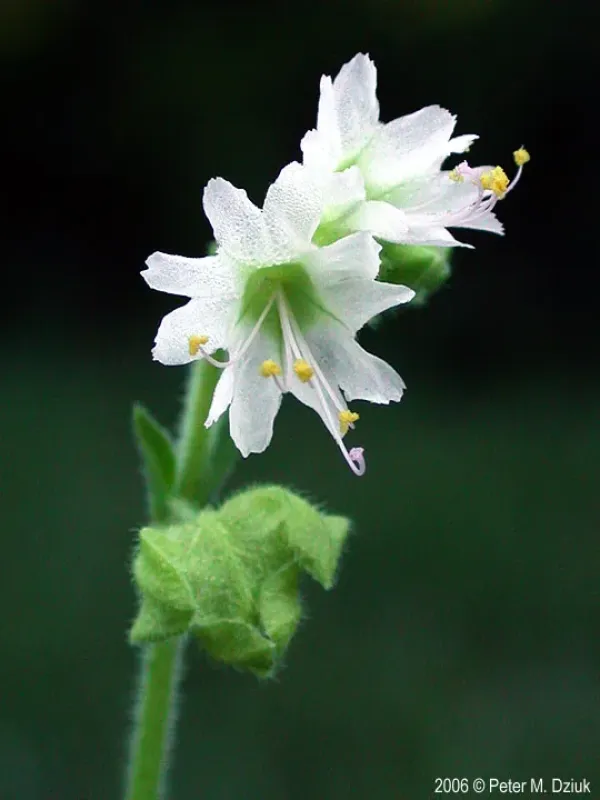
Description
Sowing dates
Sowing of Mirabilis hirsuta is typically scheduled for mid-spring once the risk of frost has completely passed and soil temperatures have stabilized.
Seeds should be planted at a shallow depth of about one centimeter, as they require sufficient light and warmth to initiate uniform germination.
When starting indoors, provide bright light and maintain a consistent soil temperature of approximately 20 degrees Celsius to promote vigorous seedling development.
Transplanting into the garden should be done carefully to avoid root disturbance, as the plant reacts negatively to radical changes in the growing environment.
Thinning is necessary if seeds were sown directly in rows, ensuring each plant has enough space to develop its characteristic branching structure.
Growing requirements
Mirabilis hirsuta is a member of the Nyctaginaceae family, distinguished by its pubescent stems and leaves, reflecting its adaptation to arid habitats.
Native to North American grasslands, the plant is highly adapted to environments with intense sunlight and periods of drought, making it very resilient.
The ideal soil for this species is sandy or loamy, providing excellent drainage which is essential to prevent moisture-related stress in the root system.
While tolerant of low fertility soils, the addition of balanced organic matter can significantly enhance the plant's vegetative vigor and overall floral production.
It thrives in full sun exposure; shade conditions often lead to etiolated stems and a significant reduction in the number of flowers produced during the season.
Main diseases and pests
Root rot is the primary physiological threat, usually triggered by waterlogging or planting in heavy, poorly drained clay soils that restrict oxygen access.
Pests such as aphids and spider mites can infest the foliage, particularly during dry summer spells when the plant's natural defenses may weaken.
Fungal diseases like powdery mildew require vigilant monitoring, as they thrive in humid conditions where air circulation is insufficient between the plants.
Integrated pest management strategies should be employed, prioritizing the removal of infested leaves before resorting to chemical controls to protect local pollinators.
Keeping the garden area weed-free is essential, as competing plants can limit airflow and harbor the pathogens that frequently attack this species.