
Endocomia macrocoma
Endocomia macrocoma
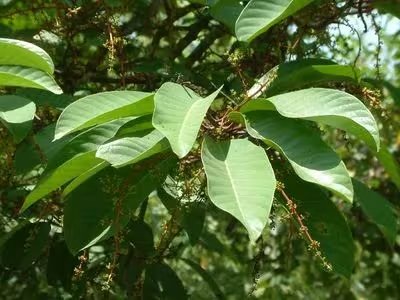
Description
Growing requirements
Endocomia macrocoma is a distinguished member of the Myristicaceae family, recognized for its role in the evergreen tropical forests of Southeast Asia.
The plant thrives in regions characterized by a perhumid tropical climate, requiring high annual rainfall and consistent temperatures to maintain its metabolic functions.
Soil preferences include deep, nutrient-rich substrates that provide adequate aeration, preventing the waterlogging of the roots which is fatal to the plant.
Light intensity is a critical factor, as this species typically evolves to exist in the understory where it utilizes dappled sunlight for photosynthesis.
Cultivation strategies must prioritize the maintenance of high atmospheric humidity, as the species is sensitive to dry air and fluctuations in soil moisture levels.
Main diseases and pests
Various species of leaf-eating insects pose a constant threat to the foliage of Endocomia macrocoma, potentially impacting the tree's vigor and growth rate.
Fungal pathogens represent a primary biological risk, particularly in high-density plantings where humidity can promote the spread of spores.
Deforestation and forest fragmentation are the most significant threats to the species' survival, as they lead to the loss of natural habitat and pollinators.
Soil-borne pathogens can impact nursery stock, often leading to root decay if the nursery environment is not managed with strict hygiene protocols.
Climate change and the subsequent alteration of precipitation patterns are projected to negatively affect the future distribution of this tropical tree species.