
Cephalosphaera usambarensis
Cephalosphaera usambarensis
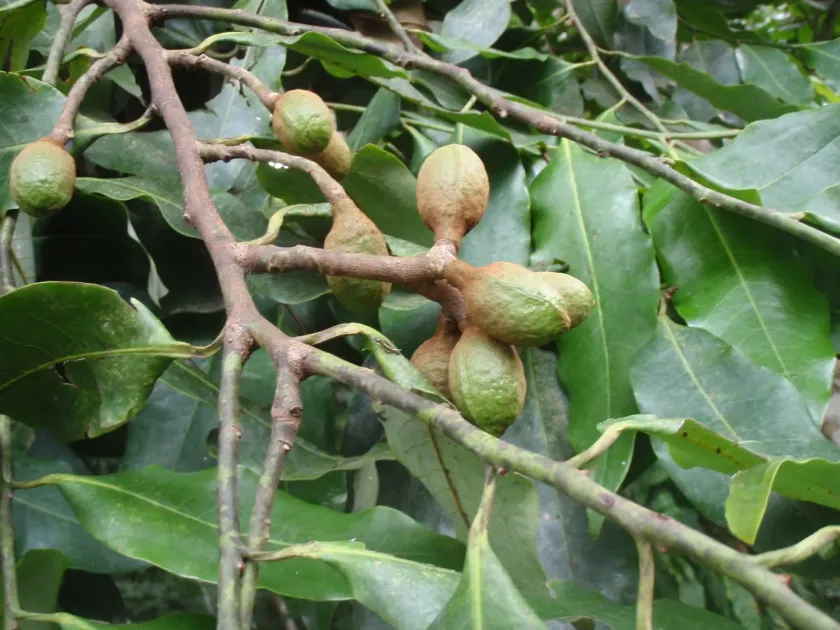
Description
Sowing dates
Cephalosphaera usambarensis is a distinguished tree species belonging to the Myristicaceae family. In its natural habitat, reproduction occurs primarily through seeds, which require specific conditions for successful germination.
In nursery environments, seeds must be sown immediately after collection because their viability declines rapidly. Sowing during the onset of the rainy season provides the high moisture levels necessary for sprouting.
Germination requires consistent temperatures and protection from harsh environmental elements. The seedlings show slow early growth, necessitating careful substrate management to support their initial development.
Once seedlings reach a height of approximately 30-50 centimeters, they are ready for transplanting. Proper spacing is essential to ensure that each tree has sufficient access to light and nutrients.
Establishing a new plantation involves diligent site preparation to minimize competition from weeds. Young trees should be monitored closely during their first year to ensure stable root establishment.
Growing requirements
Native to the moist mountain forests of the Usambara region in Tanzania and Kenya, this species is highly adapted to tropical, humid climates. It thrives in areas with consistent, high annual rainfall.
The tree prefers deep, well-draining soils that are rich in organic matter. Soil pH should ideally be in the neutral to slightly acidic range to facilitate optimal nutrient uptake from the forest floor.
As a forest-dwelling species, it requires sheltered conditions. Exposure to strong winds and direct, intense sunlight should be avoided to prevent moisture stress and physical damage to the canopy.
High relative humidity is critical for the tree’s overall health. In cultivated settings, maintaining a humid microclimate is more important than in typical orchard crops, as the tree naturally occupies the forest understory.
Regular water availability is necessary, especially during the early stages of growth. Proper drainage is equally important to prevent waterlogging, which can lead to root system degradation.
Yield
The primary commercial value of Cephalosphaera usambarensis lies in its high-quality timber. It is highly regarded for its strength and utility in local construction and furniture making.
While the tree exhibits a moderate growth rate, it is considered a reliable source for sustainable forestry projects. It takes several decades for trees to reach full commercial maturity.
Productivity is measured by the volume of timber yield per hectare. Strategic management, including pruning, can significantly enhance the straightness of the trunk and the quality of the harvested wood.
Sustainable harvesting practices ensure that the forest ecosystem remains productive over the long term. This approach balances economic needs with the slow growth cycle of the tree.
The wood is valued for its durability and aesthetic appeal. As a result, it remains a consistent, albeit niche, commodity in regional markets where high-quality sustainable timber is preferred.
Main diseases and pests
The species faces significant threats primarily from habitat loss due to agricultural expansion and deforestation. Protecting the remaining natural populations is a top priority for conservationists.
In terms of pathogens, the tree is susceptible to various fungal infections, particularly if drainage is inadequate or if the tree is stressed by environmental fluctuations.
Pests that target the bark and inner wood can cause serious damage if left unchecked. Regular field monitoring is necessary to identify signs of infestation early in the process.
- Root rot triggered by waterlogged soil conditions.
- Invasive weed species competing for soil nutrients.
- Damage from rodents during the early seedling stages.
Management of these threats relies on integrated pest management and sustainable forestry practices that maintain the resilience of the forest ecosystem.
Harvesting
Harvesting Cephalosphaera usambarensis timber is conducted through selective logging, which allows the forest to regenerate naturally without compromising the soil structure.
The logs are processed shortly after cutting to prevent discoloration and maintain the structural integrity of the timber. Effective storage on elevated platforms prevents soil moisture absorption.
Drying the timber is a critical step that must be done slowly under shaded, ventilated conditions. This prevents warping and ensures the final product meets construction quality standards.
The timber industry relies on these controlled harvesting methods to ensure the wood retains its strength and aesthetic properties. Quality control checks are performed during every stage of processing.
Post-harvest, it is essential to ensure that the cleared sites are replanted with nursery-grown saplings. This cycle is vital for maintaining the population density of the species in managed forest tracts.