
Sweet gale
Myrica gale
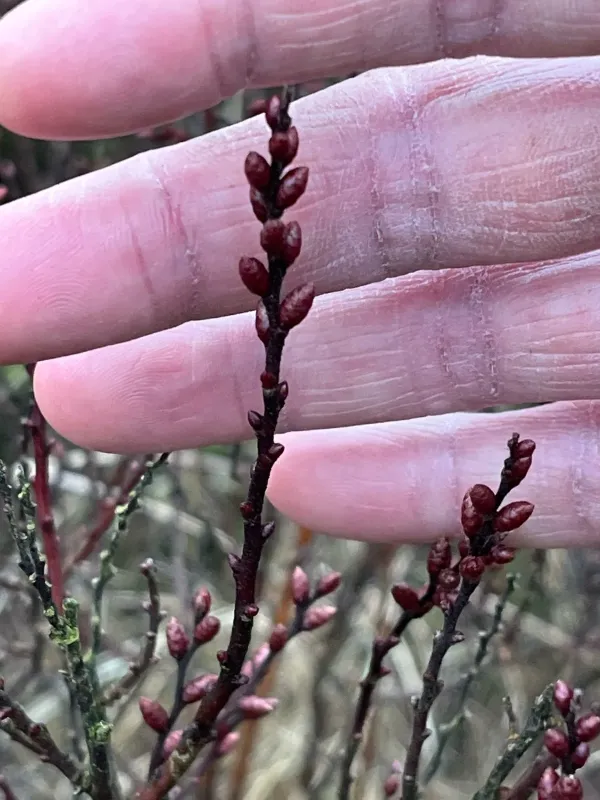
Description
Growing requirements
Sweet gale (Myrica gale) is a perennial deciduous shrub belonging to the Myricaceae family. In natural conditions, the plant grows in northern regions with a temperate climate, preferring wet, marshy soils, lake shores, and peatlands.
The crop has specific soil requirements: it must be acidic with a high water table. The plant is able to adapt to nutrient-poor substrates thanks to symbiosis with nitrogen-fixing actinomycetes, which allows it to thrive successfully on peat soils.
The optimal climate for sweet gale is a cool and humid environment. It is characterized by high frost resistance, withstanding significant negative temperatures, but is sensitive to prolonged periods of drought, which are detrimental to the root system.
Botanically, the crop is a branched shrub reaching 1–1.5 meters in height. The leaves are oblong in shape with characteristic glands on the underside, which release an intense resinous aroma when rubbed.
In terms of economic use, sweet gale is valued as an essential oil and ornamental plant. Historically, its catkins and leaves were actively used in brewing as a flavoring agent, replacing hops, and were also applied in traditional medicine as an insecticide.
Main diseases and pests
Typical diseases for this shrub in conditions of high humidity include fungal infections such as powdery mildew or gray mold, which occur when air circulation is poor.
Pests rarely cause serious damage due to the presence of specific resinous substances in the leaves that repel insects. However, minor damage by leaf weevils or aphids is sometimes noted during periods of active sap flow.