
Hypertelis salsoloides
Hypertelis salsoloides
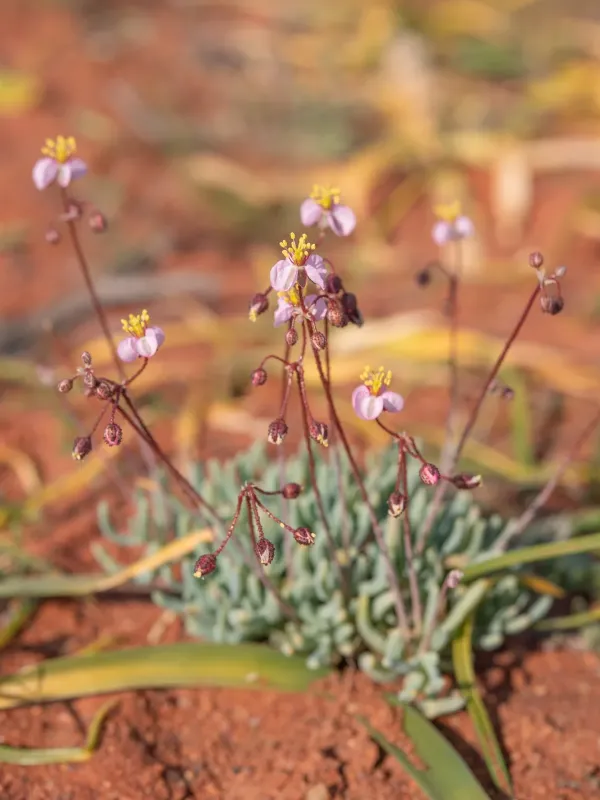
Description
Growing requirements
Hypertelis salsoloides is a succulent species belonging to the Molluginaceae family. Native to the arid regions of Southern Africa, this plant has adapted perfectly to environments characterized by extremely low rainfall and high heat intensity throughout the year.
Botanically, the plant is distinguished by its fleshy, succulent leaves which function as a storage organ for water. This structural adaptation allows it to survive in harsh conditions where other vegetation would fail to thrive, making it an interesting subject for specialized dryland farming.
The crop demands well-drained, sandy, or rocky soil types. It is highly sensitive to waterlogging, which can cause physiological damage to the root system. Consequently, field selection must prioritize locations with excellent natural drainage and air permeability.
Climatic requirements focus on high solar radiation exposure and consistent temperature profiles. The plant demonstrates high endurance to intense sunlight, utilizing it efficiently for its photosynthetic processes while minimizing water loss through specialized metabolic pathways.
Cultivation practices involve sparse irrigation and minimal fertilization. The goal is to mimic the natural precipitation patterns of its native habitat, ensuring the soil dries out completely between moisture events to maintain the overall vigor and disease resistance of the plants.
Main diseases and pests
The primary threats to Hypertelis salsoloides are fungal diseases, particularly root rots triggered by excessive moisture. Proper soil management is critical to prevent the colonization of pathogenic fungi in the root zone during humid periods.
Insect pests, such as mealybugs and spider mites, are common nuisances in greenhouse or nursery settings. These pests feed on plant sap and can severely weaken the plant if left unchecked, often necessitating targeted chemical interventions.
Mechanical injuries during field cultivation can act as entry points for bacterial infections. Care should be taken during weeding and soil management to avoid wounding the succulent parts of the plant, as these wounds heal slowly in arid conditions.
Disease management strategies must emphasize ventilation and spacing to ensure that foliage dries rapidly after any dew or rain. Reducing the micro-humidity around the plants is the most effective preventative measure against widespread infections.
Integrated pest management should be employed, focusing on early detection. Regular scouting of the plantation allows for the removal of affected specimens before the infestation or disease spreads, ensuring long-term yield stability.