
Hypertelis bowkeriana
Hypertelis bowkeriana
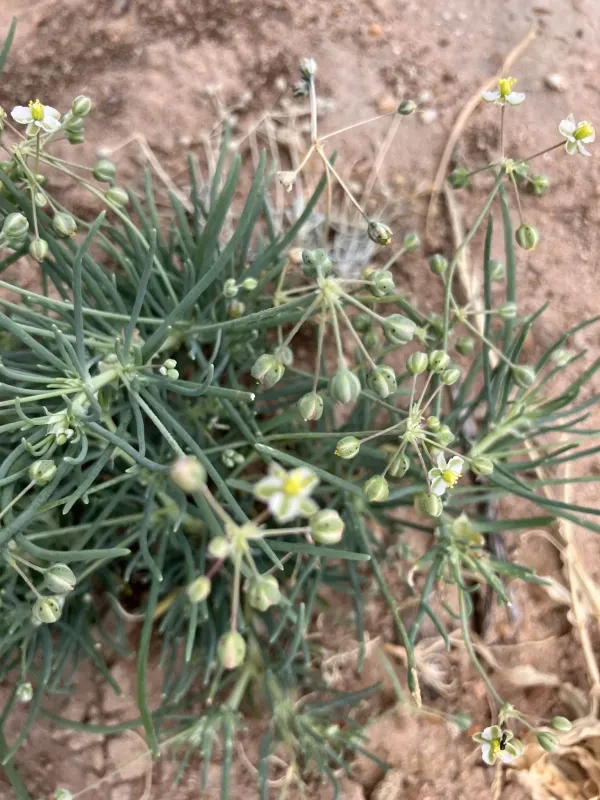
Description
Sowing dates
Sowing Hypertelis bowkeriana seeds should be conducted in early spring when temperatures remain consistent. These seeds require high substrate moisture and a temperature range of 20–25 degrees Celsius for successful germination.
Using a stratification process can significantly improve germination rates for this succulent species. Seeds should be sown on the surface of a light, well-draining medium and left exposed to light, as they are photoblastic in nature.
Professional nurseries often utilize seedling trays with controlled humidity to ensure the stability of the environment. Over-watering during the early stages of development must be strictly avoided to prevent damping-off, a common issue for members of the Molluginaceae family.
Once seedlings develop their first true leaves, they should be transplanted into individual pots. This practice provides the root system with sufficient room to expand, which is vital for the survival of the plant in arid environments.
Care must be taken to provide adequate spacing to ensure proper airflow, preventing the development of mold or fungus in the humid seedbed environment. Gradually acclimatizing the young plants to their final growing conditions is recommended.
Growing requirements
As a succulent plant, Hypertelis bowkeriana requires intense solar radiation to thrive. It is native to the arid landscapes of Southern Africa, which dictates its need for a high-light environment and well-aerated conditions.
The soil must be extremely porous and poor in organic matter to mimic the natural rocky or sandy soils of its native range. A mix of coarse sand, perlite, and a small percentage of peat is considered ideal for commercial production.
Watering frequency should follow the natural cycles of growth and rest. During the active growth period, the plant requires consistent, light irrigation, while during the dormant season, the soil should be kept almost entirely dry.
Temperature management is critical, as this species cannot tolerate frost. Optimal daytime temperatures range from 20 to 30 degrees Celsius, which encourages healthy tissue development and leaf integrity.
Proper drainage is the most important factor in the success of the cultivation project. Even a short period of waterlogging can cause irreparable damage to the root system, emphasizing the necessity of a sophisticated irrigation management plan.
Main diseases and pests
Fungal pathogens associated with overwatering constitute the primary threat to the health of the plant. Root rot is a common symptom of poorly managed irrigation cycles and inadequate soil drainage.
Pests such as spider mites and mealybugs frequently target the foliage, especially in conditions where air circulation is restricted. Monitoring for these pests on a weekly basis allows for early intervention without the need for toxic chemicals.
Preventative measures include maintaining a dry environment around the foliage and using systemic biological controls if necessary. Proper cleaning of cultivation tools helps prevent the spread of bacterial infections between plants.
Physiological damage from lack of light or extreme temperature fluctuations can weaken the plant, making it more susceptible to opportunistic pathogens. A consistent, well-monitored environment is the best defense against disease.
Chemical control should be used as a last resort, as succulents can be sensitive to certain detergents and pesticides. Focus on balancing the nutrient intake, specifically keeping nitrogen levels low to maintain the natural, compact structure of the plant.