
Plagiomnium
Plagiomnium
Plagiomnium is a genus of mosses belonging to the Mniaceae family. These bryophytes are widely recognized for their lush, leafy growth patterns, making them a common feature in temperate forests across the Northern Hemisphere.
What the section contains


Plagiomnium
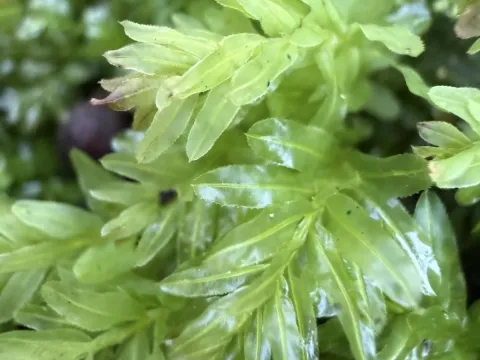
The morphology of Plagiomnium is defined by its distinct leaves with clear midribs, arranged on stems that form dense, velvet-like mats. This structure allows the plant to thrive in low-light environments by maximizing surface area for moisture absorption.
Cultural requirements for Plagiomnium focus primarily on high humidity levels and constant moisture availability. The substrate must be rich in organic matter, such as peat or leaf mold, and should maintain a slightly acidic reaction to ensure optimal growth.
Temperature management is crucial; Plagiomnium prefers cool, stable conditions. It is essential to avoid direct sunlight, as high UV intensity and excessive heat can dehydrate the plant and cause permanent damage to its tissues.
In terms of agricultural and horticultural use, Plagiomnium is primarily grown for ornamental purposes. It is a staple in the terrarium industry, paludarium setup, and the landscaping of shaded garden areas where it serves as an excellent ground cover.
The most significant threat to Plagiomnium is desiccation. As a non-vascular plant, it lacks complex mechanisms to transport water over long distances, so it requires frequent misting to maintain turgor pressure in its cells.
Fungal pathogens and mold outbreaks occur when there is poor ventilation combined with stagnant moisture. Ensuring a gentle airflow within terrariums or greenhouse environments is the most effective preventative measure against these diseases.
Invertebrate pests, such as slugs and snails, can cause localized damage by consuming the foliage. Regular monitoring and physical barriers are recommended to protect the moss mats from such infestations.
Water quality is a frequently overlooked factor; the accumulation of minerals from hard water can cause salt stress. Using distilled or reverse osmosis water helps maintain the health and vivid color of the Plagiomnium colonies.
Competition from more aggressive vascular plants or weeds can suppress Plagiomnium growth in open landscape settings. Diligent maintenance and removal of competing vegetation are necessary to ensure the moss remains the dominant ground cover.